Upbit said on August 7, 2026, that it would end trading support for BONK on September 7 at 15:00 Korea Standard Time, removing the BONK/KRW and BONK/USDT pairs. Withdrawals are scheduled to remain available until October 7. The decision follows a disputed BonkDAO governance vote that transferred roughly $20 million worth of BONK from its treasury.
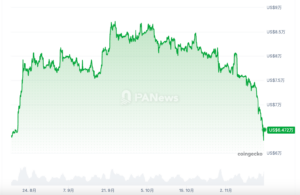
Upbit said its review found unresolved concerns involving security incidents and the timely disclosure of important information by the asset’s issuer or operator. It concluded that the shortcomings could cause user losses. That is Upbit’s assessment, not a finding that the BONK token contract itself was hacked. After the announcement, BONK fell from about $0.0000028 to $0.0000025, a decline of roughly 10%, according to Foresight News.
What happened in the governance vote
Foresight News reported that an attacker submitted proposal BIP #76 on June 30 through Solana governance platform Realms. Its key instruction would transfer approximately 4.426 trillion BONK, then worth about $20 million, from the BonkDAO treasury to an attacker-controlled address. The report says the attacker acquired about 882.285 billion BONK—enough to meet the roughly 1% voting threshold—at a cost of approximately $4.4 million.
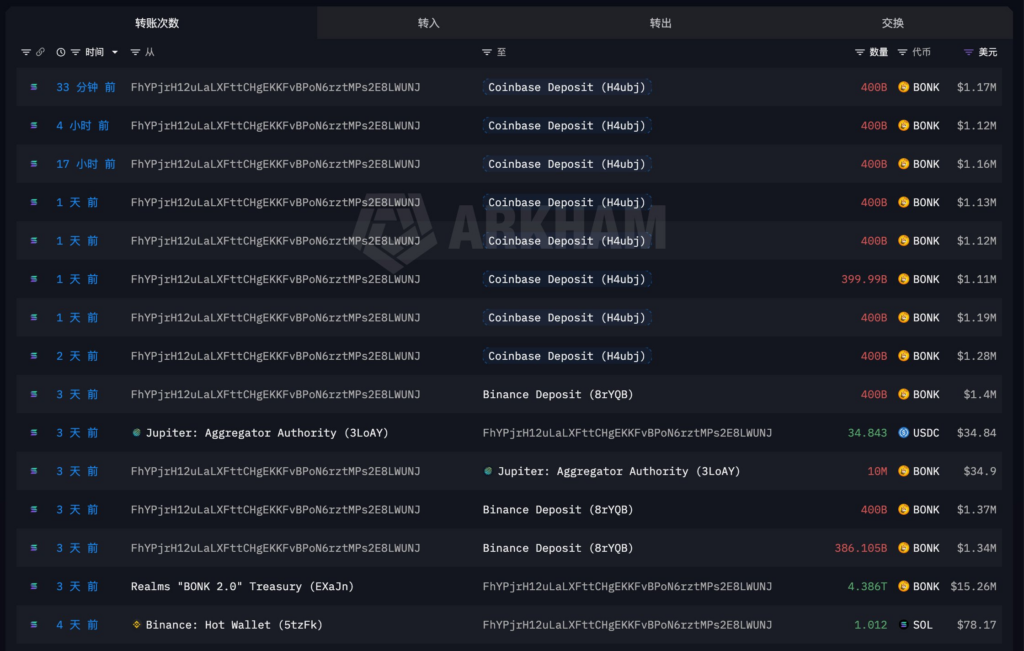
Voting began July 6. Only seven addresses participated, and attacker-controlled addresses supplied 99.878% of the votes in favor, according to the report. Once the proposal passed, the transfer executed automatically, without a timelock or an additional multisignature or manual review. Foresight News reported that the attacker subsequently cashed out approximately $13.58 million in total.
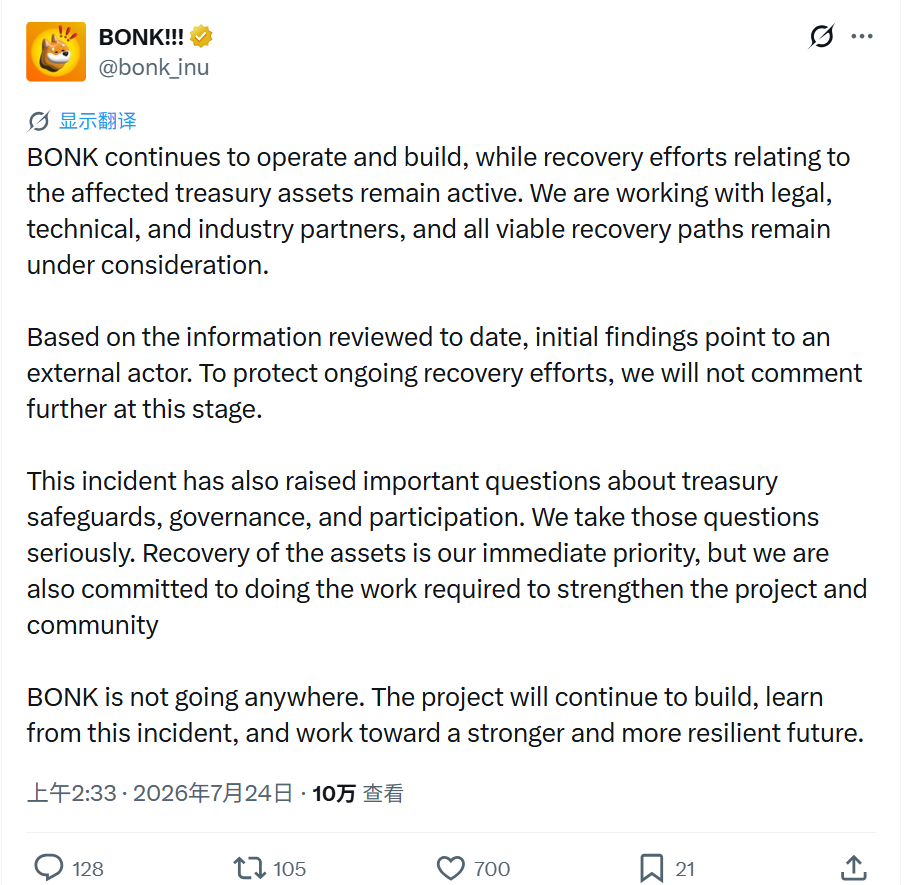
Bonk’s team described the proposal as malicious and said it was working with law enforcement and other parties to recover funds. In a July 13 update, BonkDAO said the BONK token contract and users’ personal assets were unaffected; on July 23, it said recovery efforts continued. As of the original August 7 report, no official announcement confirmed a substantial return of funds to the treasury.
The distinction matters: the reported transfer followed the DAO’s voting rules, rather than a reported private-key theft or token-contract exploit. Whether funds can be recovered remains unresolved. The episode illustrates how a low voting threshold and an immediately executable treasury proposal can put a DAO’s assets at risk even when the contract executes as designed.
Source: panewslab.com (originally published 2026-08-07 18:51 UTC+8)