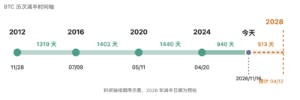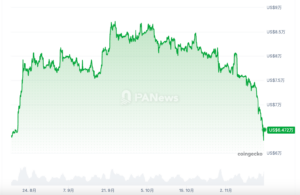
In an interview published on November 13, 2026, economist Fu Peng told Foresight News interviewer Joe Zhou that he no longer sees Bitcoin’s four-year cycle as a useful market framework. Fu, identified in the interview as chief economist at Xinhuo Group, argued that institutional portfolio decisions and broader financial conditions now matter more than the trading patterns he associates with crypto’s earlier, retail-driven market.
The interview was conducted in two sessions over roughly six months, totaling six hours. Its sharpest claims are Fu’s assessments and forecasts, not established outcomes.
An asset, not an article of faith
Fu said he does not approach BTC as a matter of “faith.” He described Bitcoin futures and ETFs as ways to gain exposure without holding coins in a wallet, and said he would adjust that exposure as he would any other portfolio position. In his view, institutional participation should reduce volatility, while Bitcoin’s limited supply could also constrain how much large asset managers can allocate to it. He went further, saying he did not believe Bitcoin could double again. The interview does not establish that as a price ceiling.
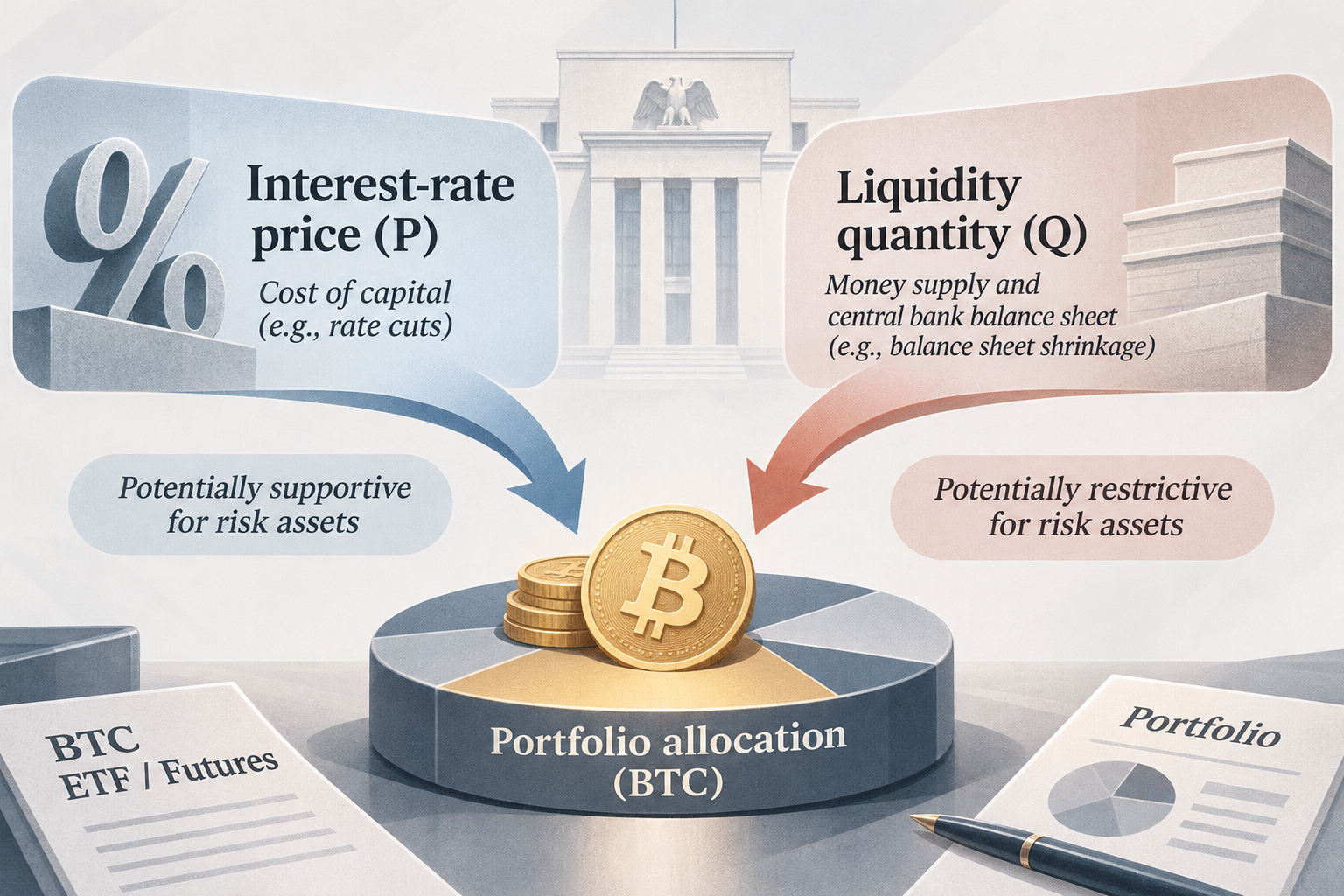
Fu also argued that Bitcoin’s price is increasingly connected to other assets through institutional portfolios. His explanation for why crypto could fall despite Federal Reserve rate cuts was that a shrinking Fed balance sheet could squeeze the quantity of liquidity enough to offset the benefit of lower rates. He dated the tightening he described to around November 2025 and said he expected the bearish period discussed in the interview to end around the close of 2026. Those were his reading of conditions and his forecast at the time of reporting.
Where the narrative needs evidence
Fu predicted that AI trading tools could help some young investors operate more like small funds, while strengthening large institutions with superior data and computing resources. He also warned against using credit cards or small loans to buy volatile assets. Neither prediction about AI’s winners nor his claim that retail participation will fall is demonstrated by the interview itself.
On RWA, Fu called tokenization a tool rather than an asset class. He questioned what tokenizing already liquid gold would add and suggested that applications outside the reach of existing finance may have a stronger case. He likewise described stablecoins as a technical means of representing currencies in payments and transactions, while predicting a long path toward approval of a renminbi stablecoin.
The common thread is a challenge to crypto exceptionalism: Fu expects digital assets to be studied and managed increasingly like other financial assets. Whether that shift has made Bitcoin’s four-year cycle obsolete—or merely less decisive—remains an open question.
Source: techflowpost.com (originally published 2026-11-13 13:03 UTC+8)