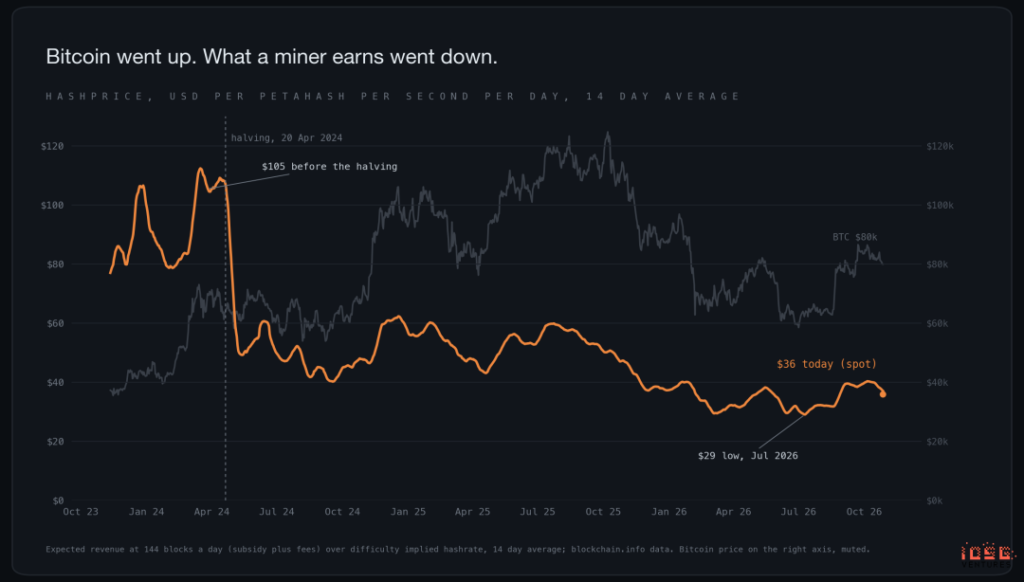
An IOSG Ventures analysis published on November 17, 2026 argues that Bitcoin would need to reach roughly $250,000 for mining to match the operating income available from leasing the same power capacity to an AI data-center tenant. That is a comparison built on the analysis’s mining and lease assumptions—not a Bitcoin price forecast.
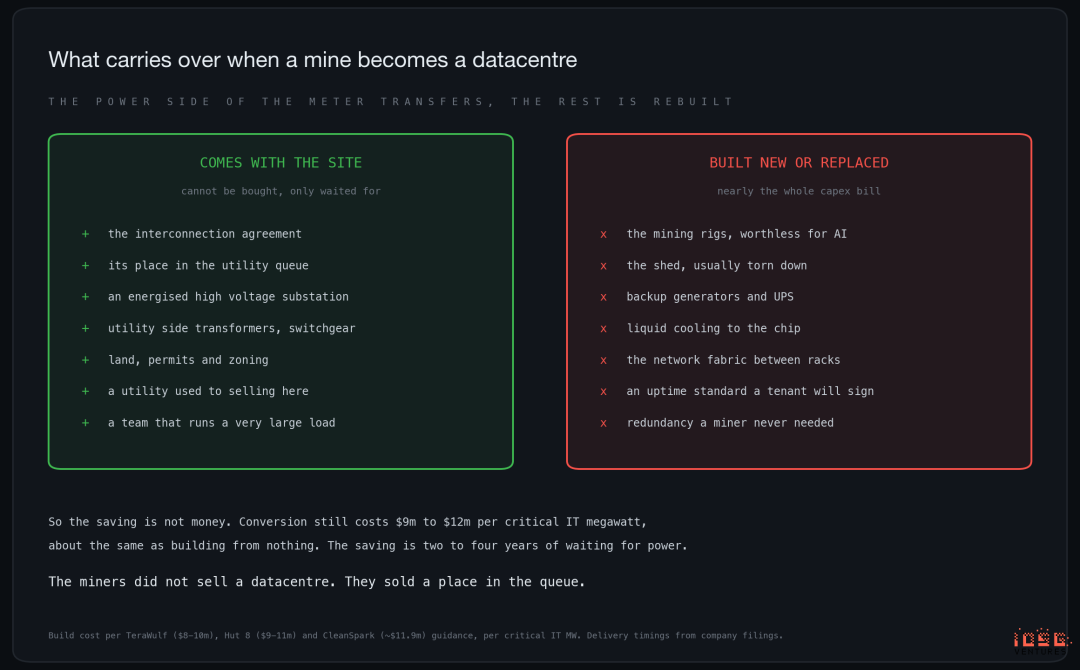
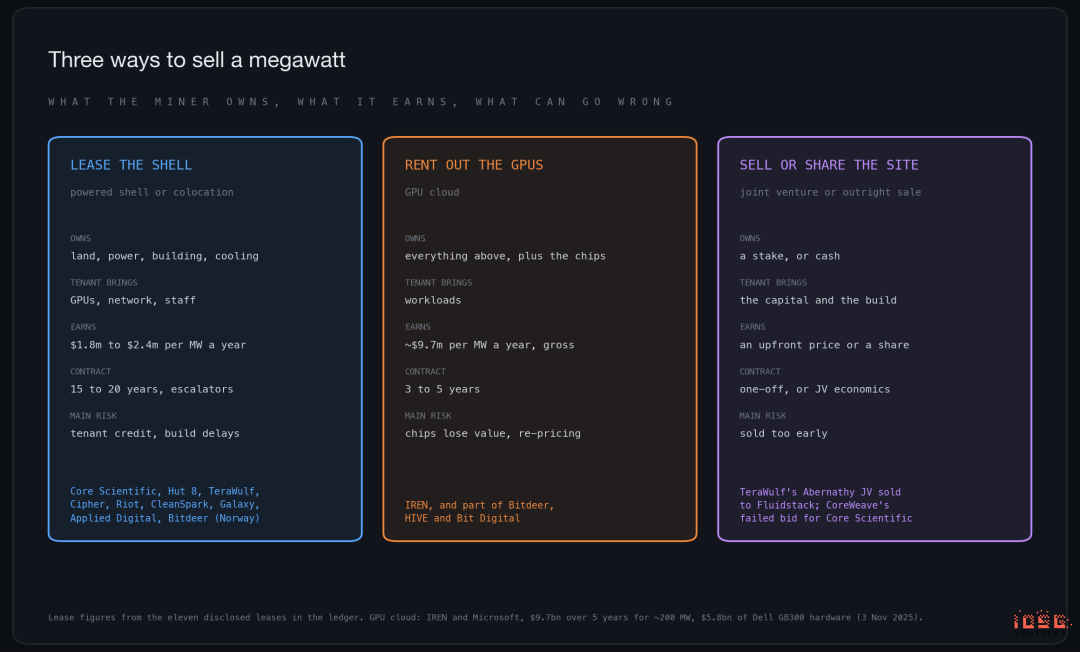
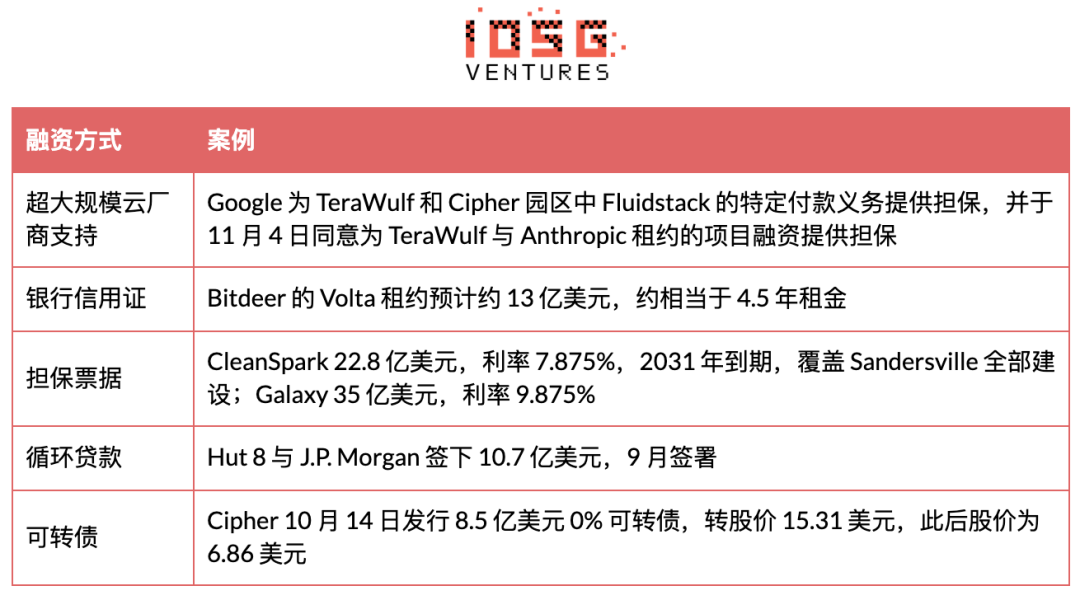
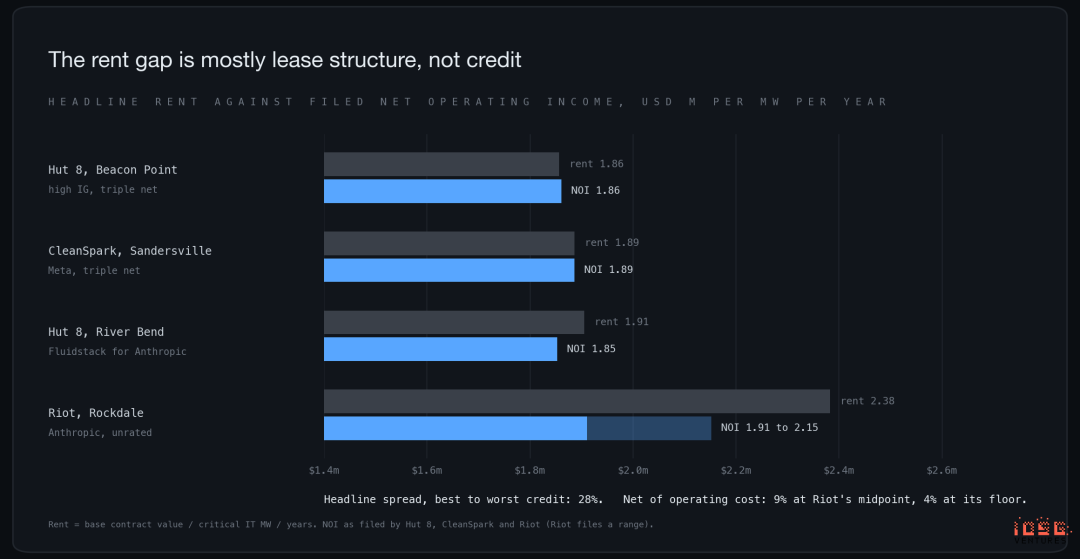
For one megawatt of IT load, IOSG estimates that mining would earn about $230,000 a year after electricity costs at the hashprice used in its analysis. It puts annual net operating income from an AI lease at roughly $1.85 million to $2.15 million per megawatt. The comparison has a substantial catch: preparing capacity for an AI tenant costs an estimated $8 million to $15 million per megawatt, versus about $800,000 for mining machines. The leases also depend on financing, construction and tenants beginning to pay rent.
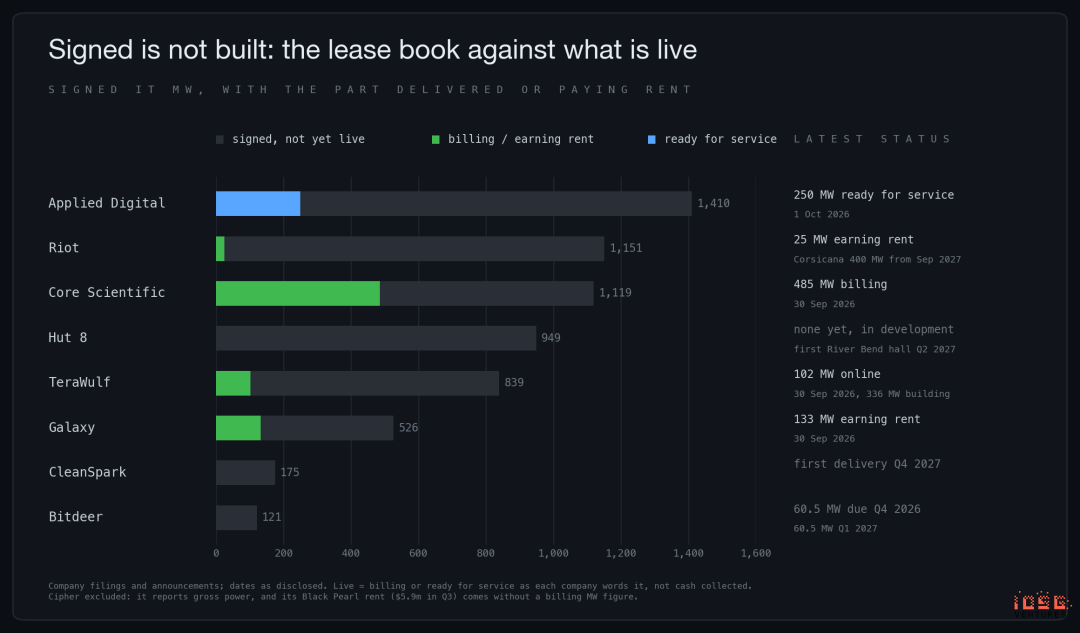
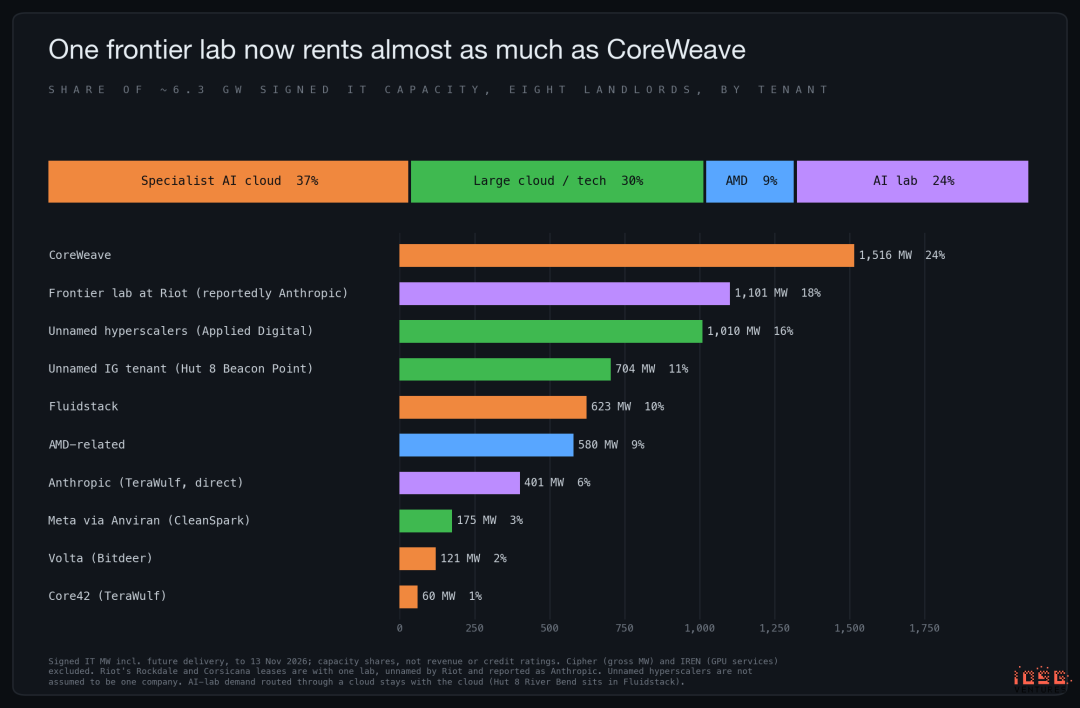
Signed capacity is not operating capacity
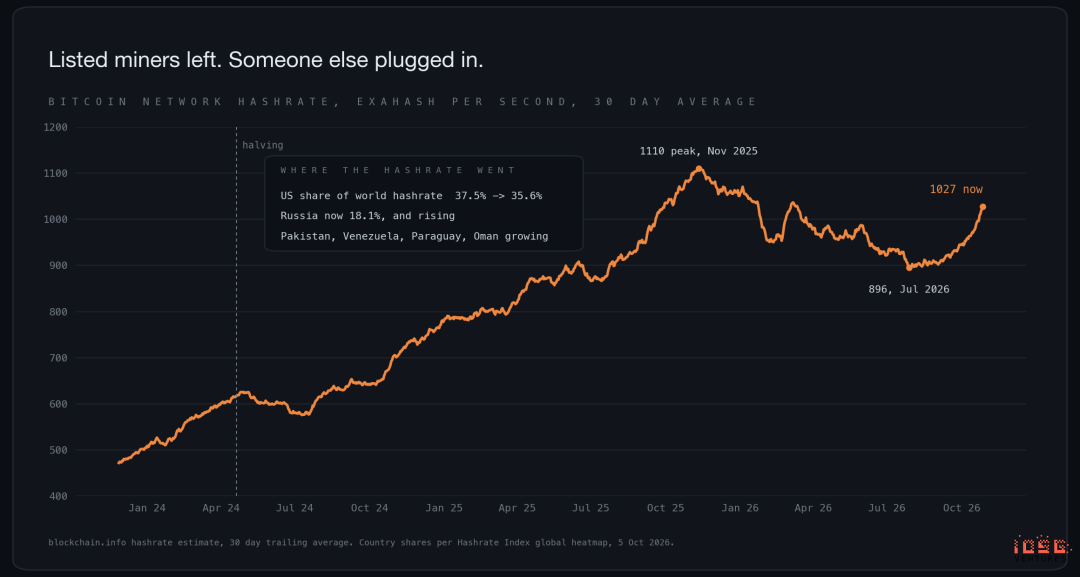
IOSG counts about 6.3 gigawatts of signed IT capacity across eight listed miners, but says only about 1 gigawatt was operating. Signed capacity includes space scheduled for later delivery. The attraction of former mining sites, the analysis argues, is their existing grid access—not that their mining buildings or equipment can simply be reused as AI data centers.
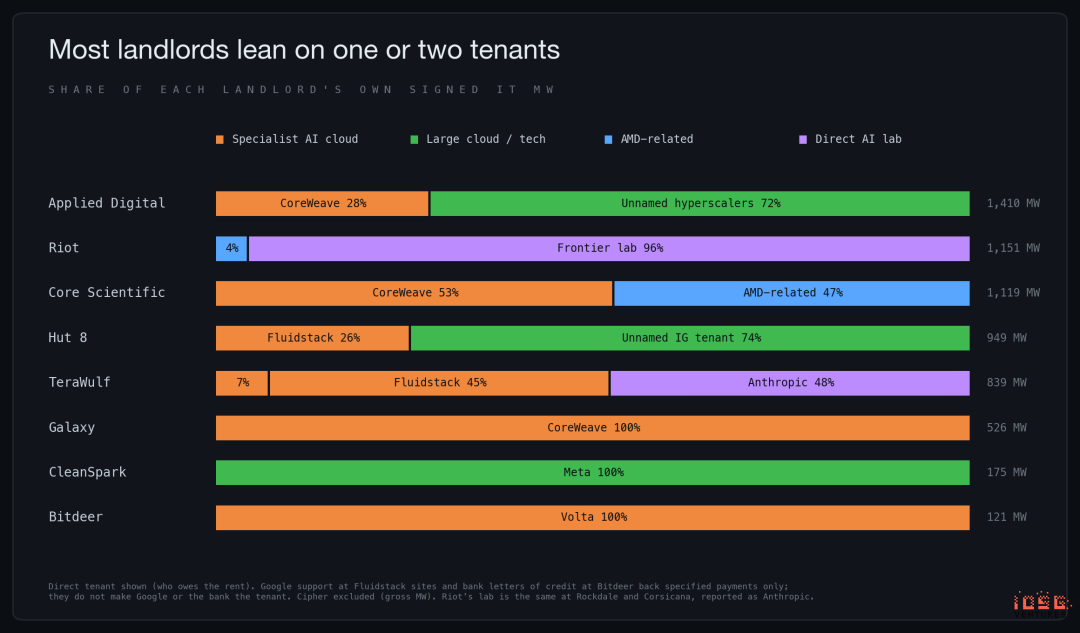
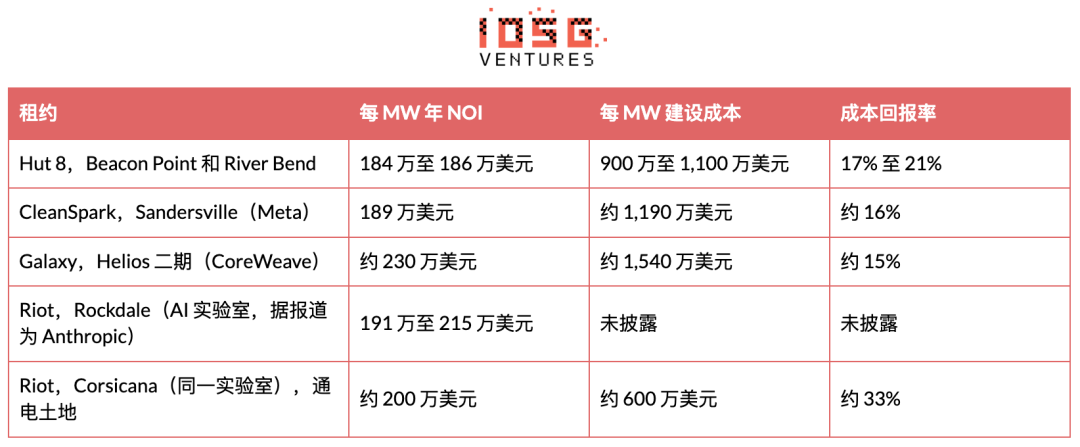
Tenant risk matters too. IOSG calculates that CoreWeave accounts for 24% of the signed capacity it surveyed and says the associated rents lack a guarantor. It also identifies Texas permitting as a risk for projects that still need approvals. Its account of the November 3 election and the potential effect on approvals is part of its assessment, not evidence that every signed project has been halted.
Bitcoin exposure is changing, not disappearing
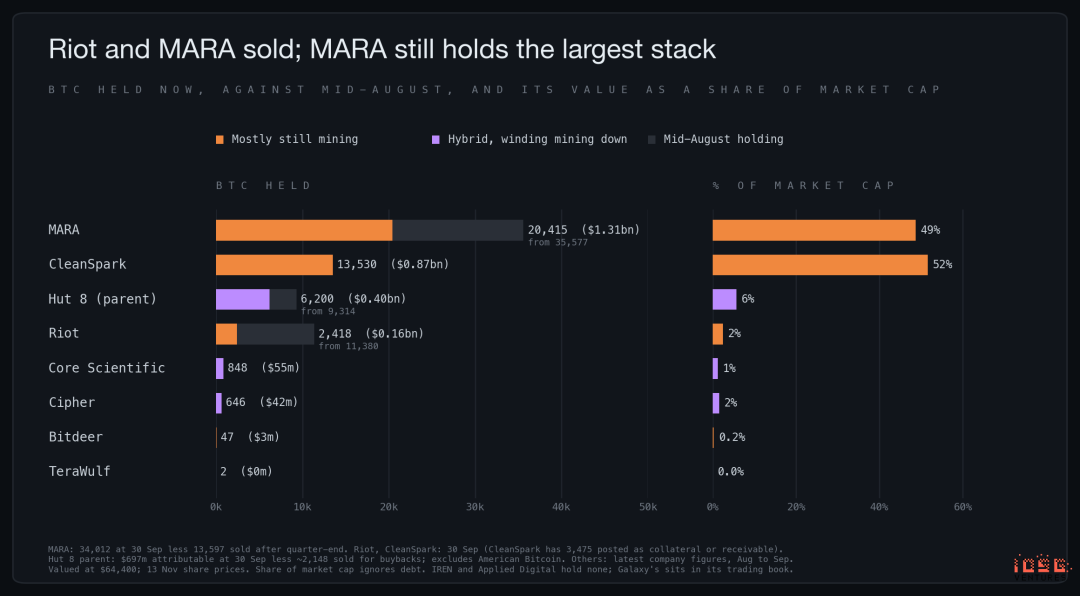
IOSG reports that Riot sold 20,264 BTC in the first nine months of 2026 and held 2,418 BTC at the end of September. It says MARA subsequently sold 13,597 BTC, including sales used to repay a Bitcoin-backed loan. By its tally, MARA, CleanSpark and Riot together held about 36,000 BTC, down from roughly 60,500 BTC in August. IOSG sees MARA’s approximately 20,400 BTC as the largest remaining potential source of sales among the three; whether and when those coins are sold remains uncertain.
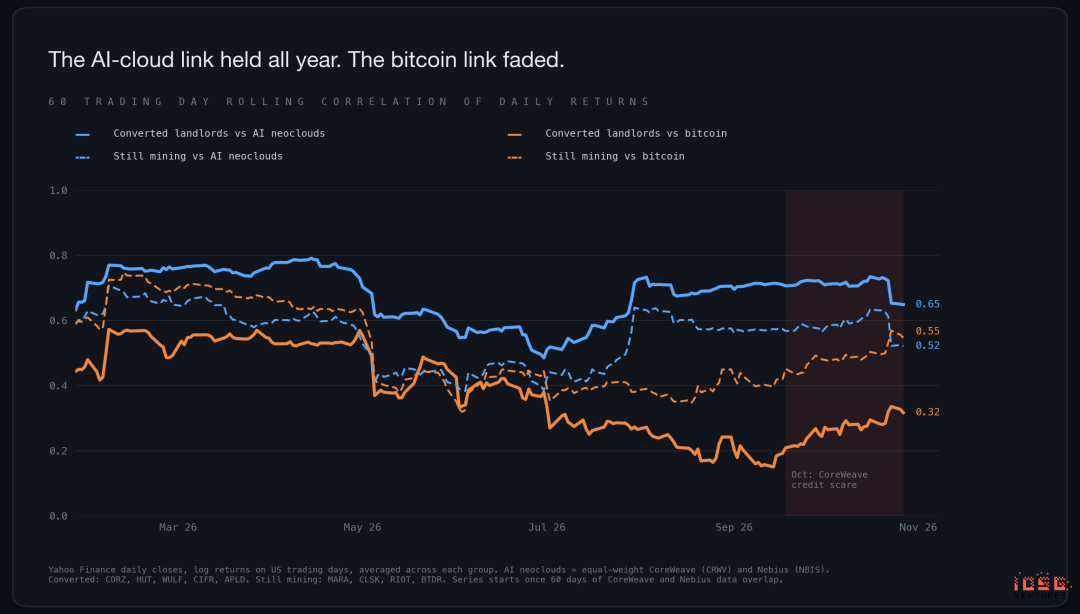
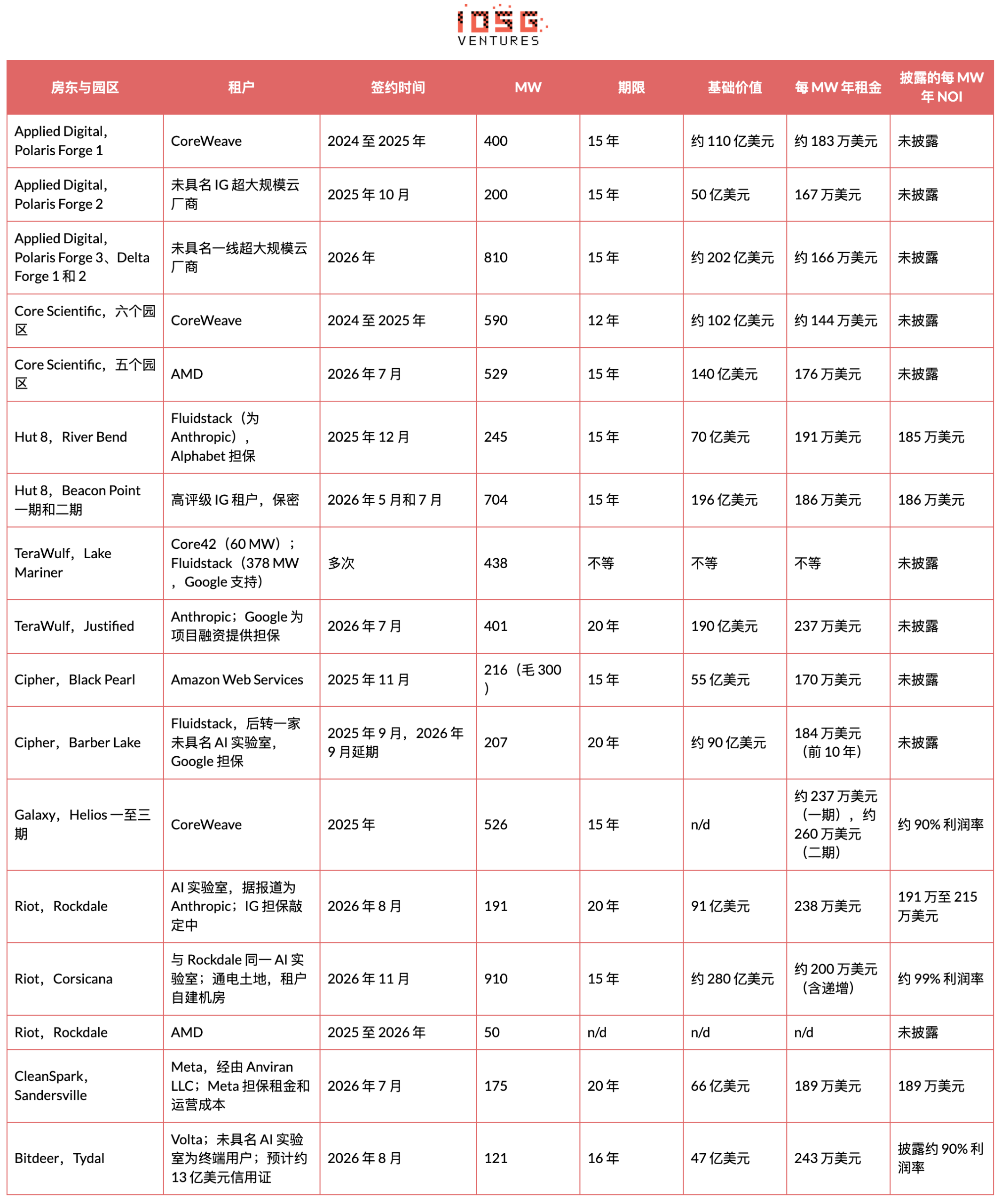
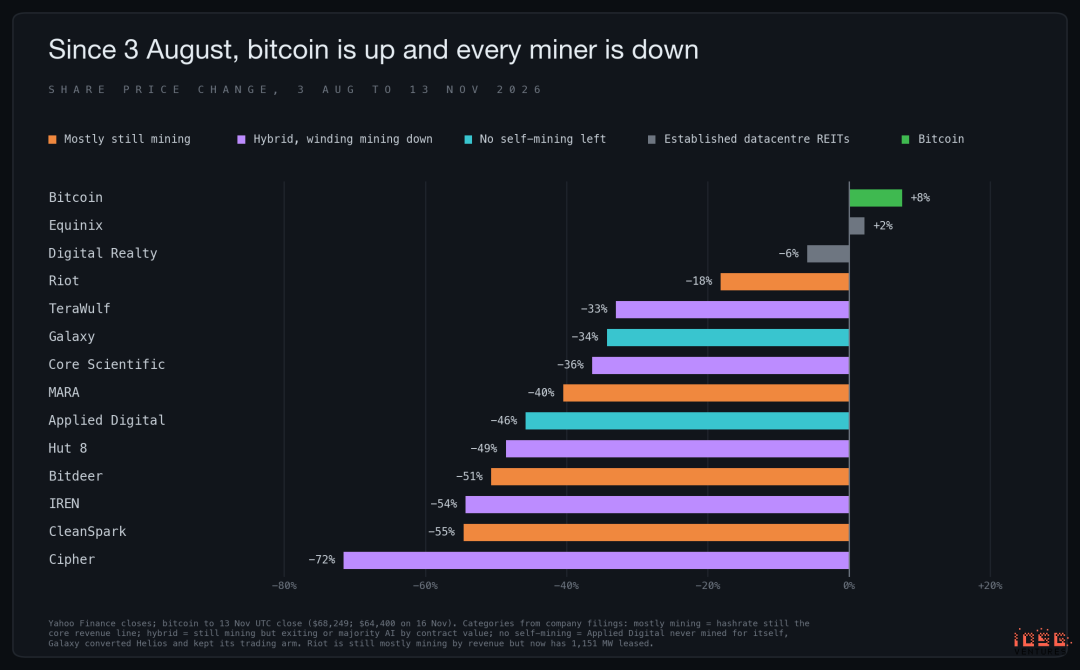
The analysis’s narrower point is more useful than its eye-catching price threshold: a miner signing an AI lease is taking on construction, financing, permitting and tenant-credit risks. A long contract can change what drives a mining company’s shares, but it does not turn proposed capacity into rent—or make a model-derived Bitcoin price a target.