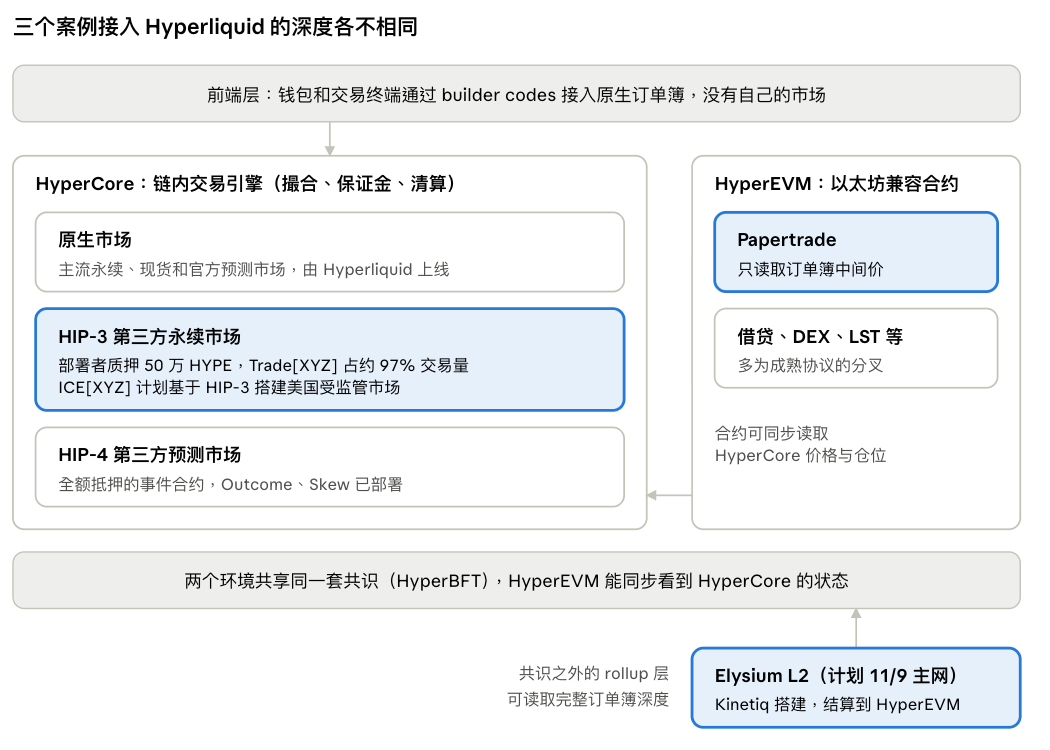
In a November 10, 2026 analysis, Owen of GO2MARS’s Web3 research team argued that outside projects were beginning to use Hyperliquid as more than a perpetual-futures exchange. Three examples show different levels of access to its trading system: Papertrade uses its prices, Trade[XYZ] uses its matching engine, and Kinetiq’s Elysium aims to use more of its order-book data.
That does not mean each project brings the same value—or the same risk—back to Hyperliquid.
Price access: Papertrade
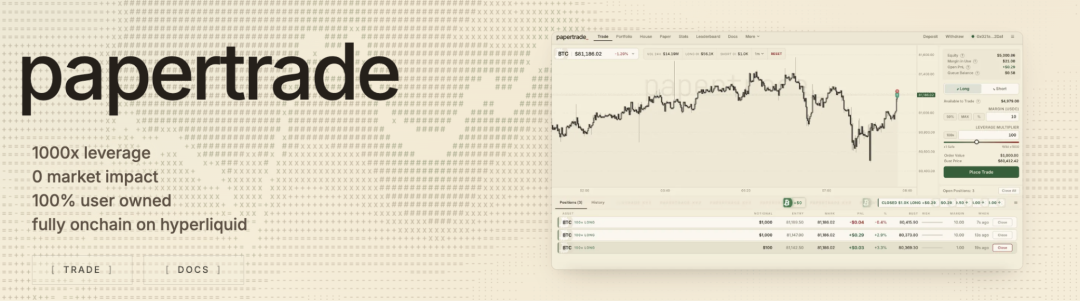
Papertrade launched on HyperEVM on October 10, offering BTC and ETH markets with leverage of up to 1,000×. According to the analysis, it reads Hyperliquid’s midpoint price when positions open and close, but settles gains and losses against its own USDC pool rather than placing trades on Hyperliquid.
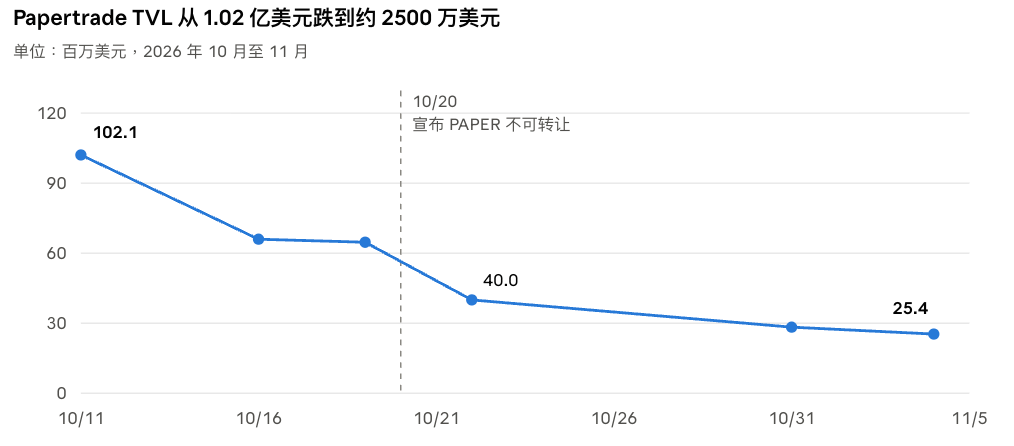
The project’s “lose-to-mine” mechanism minted PAPER when traders closed losing positions or were liquidated. Owen reported that the top 1,000 wallets held 88% of PAPER and received 91% of distributions by October 20. Papertrade later said PAPER could be staked for distributions but could not be transferred or sold, citing the risk of an attack involving external short positions. That change frustrated users who had expected the token to become tradable.
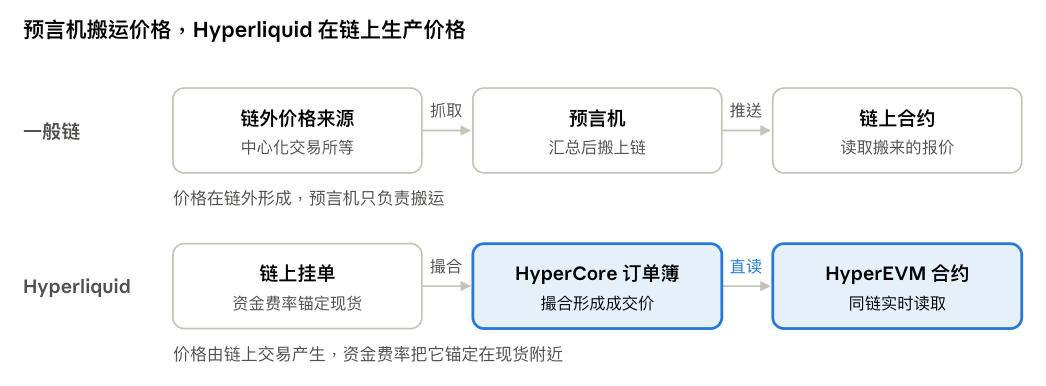
Owen also reported an apparent price-manipulation episode on Papertrade’s launch night: someone allegedly moved Hyperliquid’s ETH price with large orders while profiting from a Papertrade position. The account illustrates a potential incentive to manipulate a price used for settlement elsewhere; it is not, on its own, proof of a broader pattern.
Matching access: Trade[XYZ]
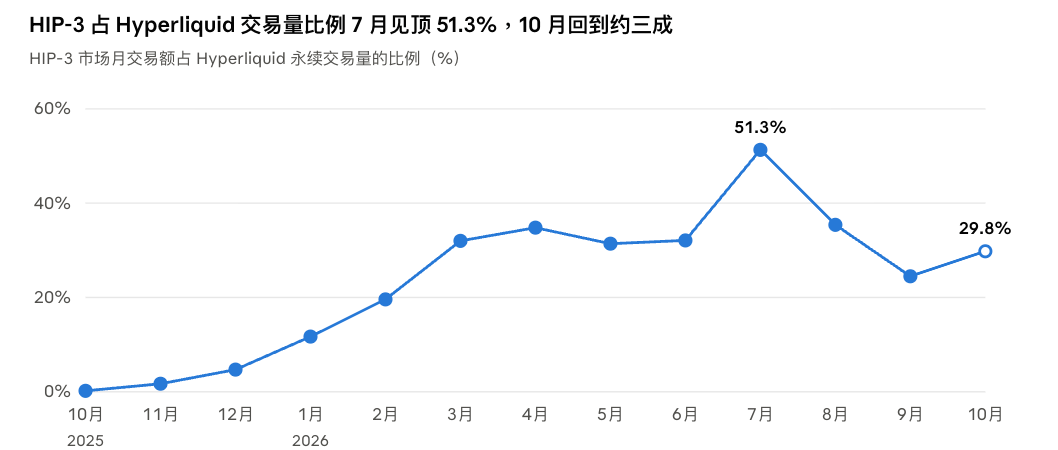
Trade[XYZ] opens third-party perpetual markets through Hyperliquid’s HIP-3 system. Unlike Papertrade, those markets use Hyperliquid’s matching engine. Owen estimated that Trade[XYZ] accounted for about 97% of HIP-3 volume in October.
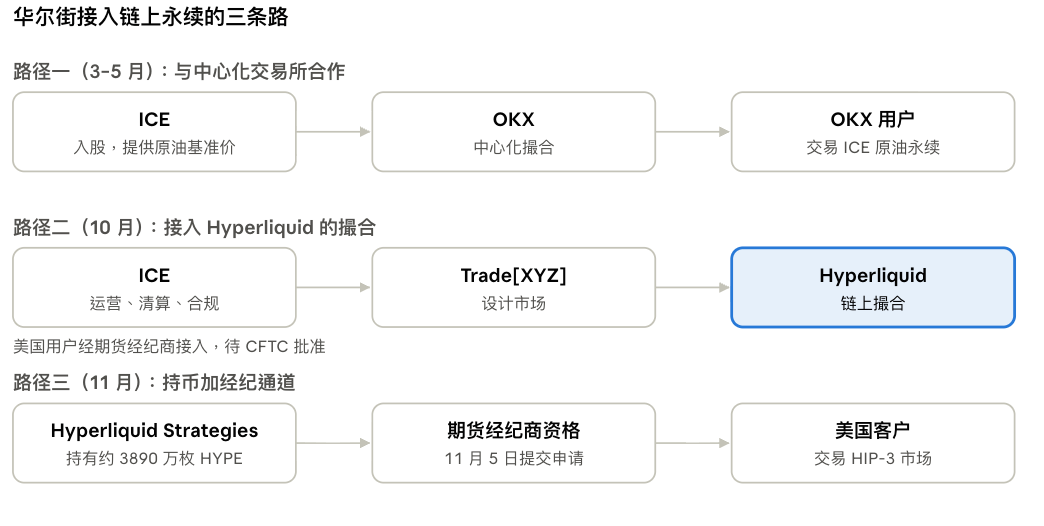
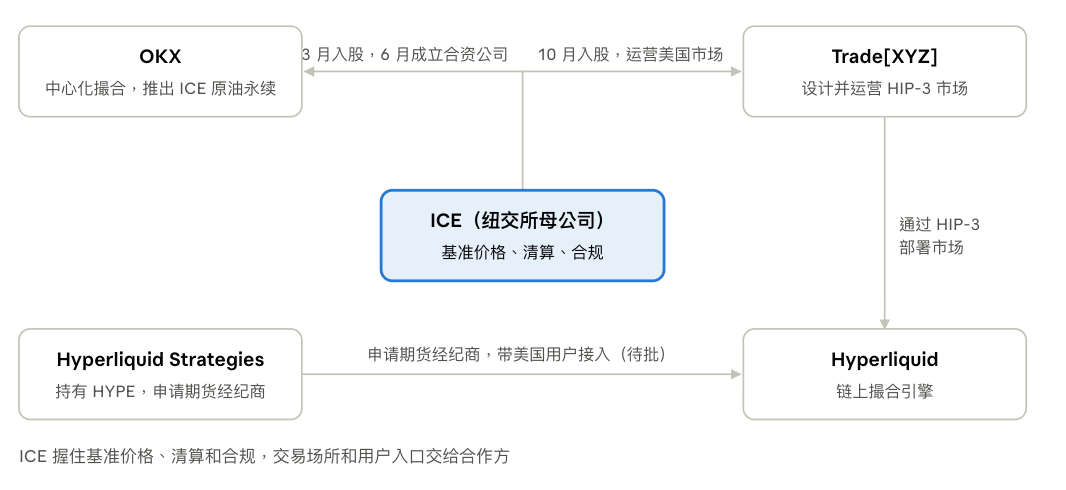
On October 29, New York Stock Exchange parent ICE took a stake in Trade[XYZ]. The parties planned a US perpetual-futures market, ICE[XYZ], with ICE responsible for exchange operations and clearing. The proposal still awaited CFTC approval at the time of the analysis. Payward, Kraken’s parent, had separately announced plans to deploy HIP-3 markets through Bitnomial; that route also awaited regulatory approval.
A regulated market may use Hyperliquid’s technology without inheriting its existing liquidity. Customer and market-maker access restrictions would require depth to be built within the permitted market.
Order-book access: Elysium
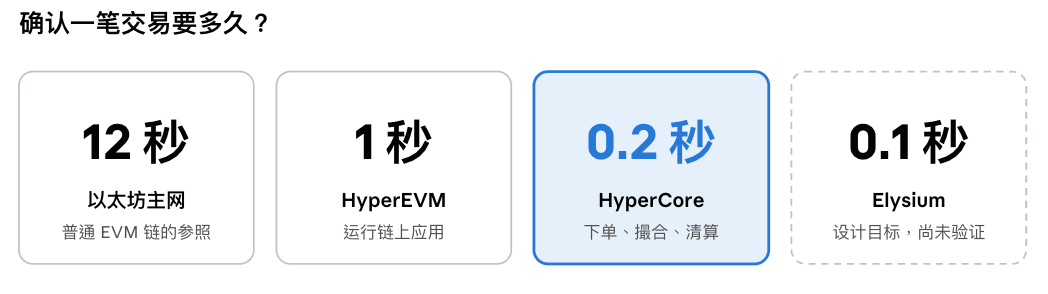
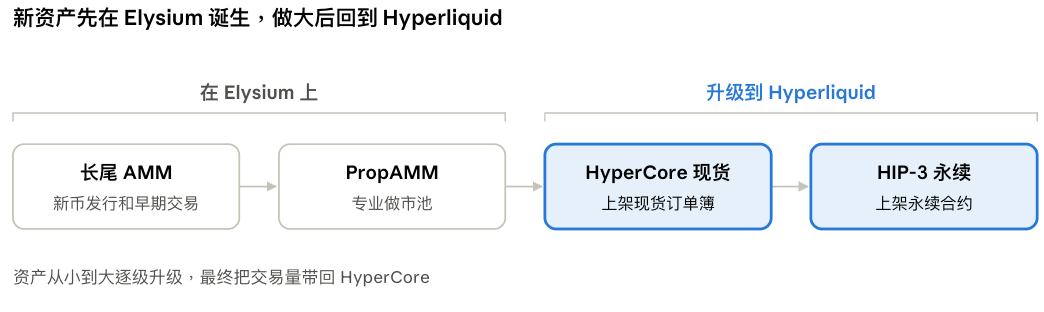
Kinetiq’s Elysium is an L2 settling to HyperEVM. The source’s timeline lists a November 9 mainnet launch, while its detailed discussion describes that date as the planned launch; the analysis provides no post-launch performance results. Elysium targets roughly 100 times HyperEVM’s processing capacity and aims to make the full Hyperliquid order book available to applications. Direct order placement was described as a later capability.
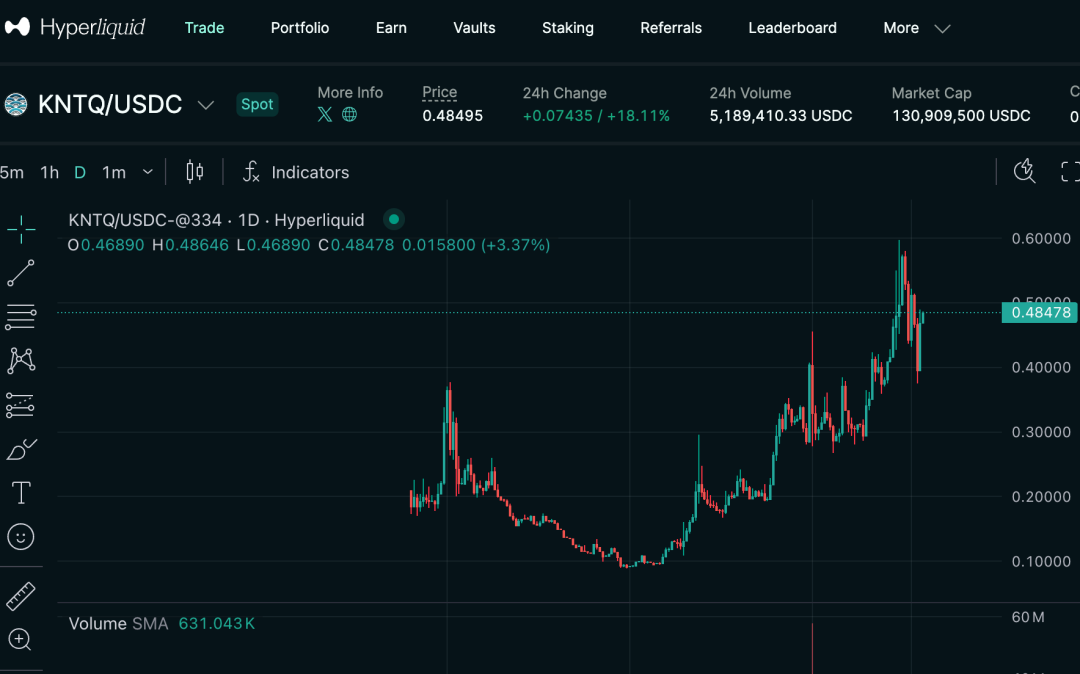
The speed and data access come with a different trust model. Owen wrote that Elysium’s full-depth data would come from its own nodes rather than Hyperliquid’s on-chain consensus, and that it would initially use a single sequencer. Claims about future activity and revenue therefore remained untested in the report. Kinetiq’s plan to use half of Elysium’s fee revenue to buy back and burn KNTQ is a proposed value flow to KNTQ, not an established return to HYPE holders.
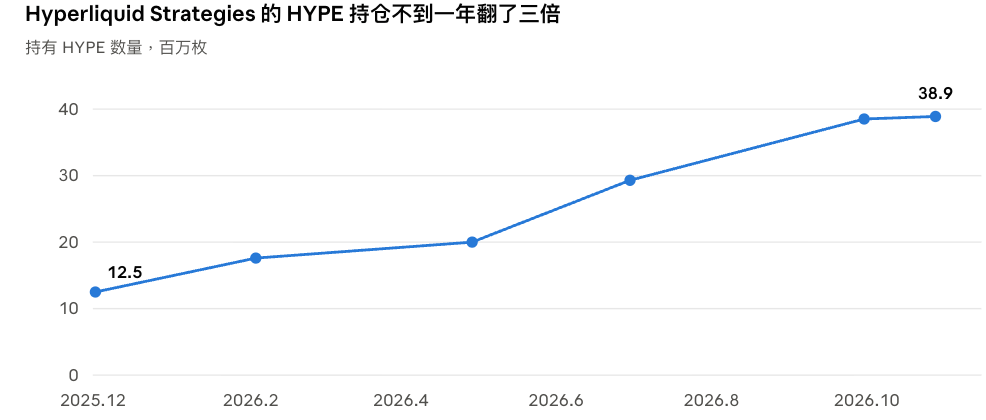
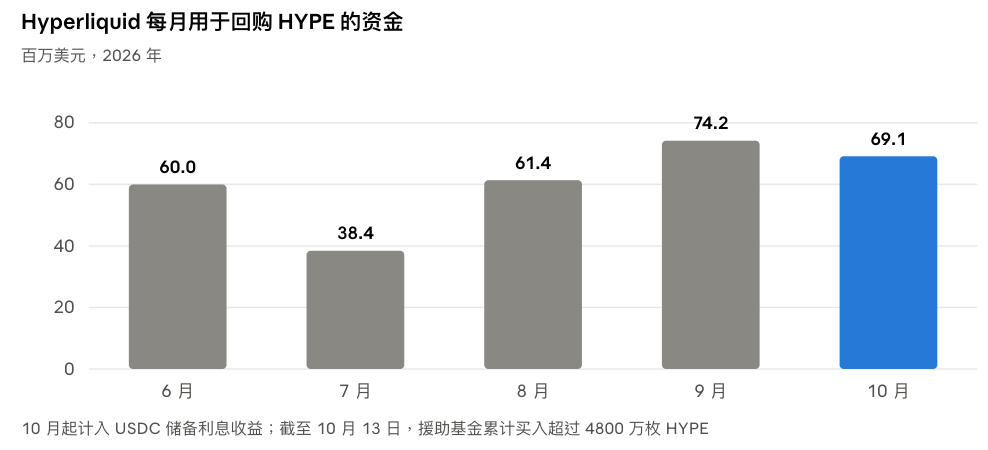
The question running through all three cases is who earns money when another product depends on Hyperliquid’s order book. The analysis says HyperCore trading fees support HYPE buybacks, but Papertrade settles in its own pool, HIP-3 shares fees with deployers, and Elysium’s planned chain fees chiefly support its own ecosystem. More products using Hyperliquid would not automatically mean more value captured by HYPE. The unresolved tests are whether order-book access can be priced and whether regulated markets can build useful liquidity without the open market’s participants.