
In an analysis published on November 17, 2026, Castle Labs argued that leading a crypto sector—and collecting substantial fees—does not necessarily translate into a rising token price. Its central distinction is between money a protocol earns, value that actually reaches token holders, and the growth investors expect in the future. That last category is where a compelling story can outrun the evidence.
Revenue is not the same as a token payout
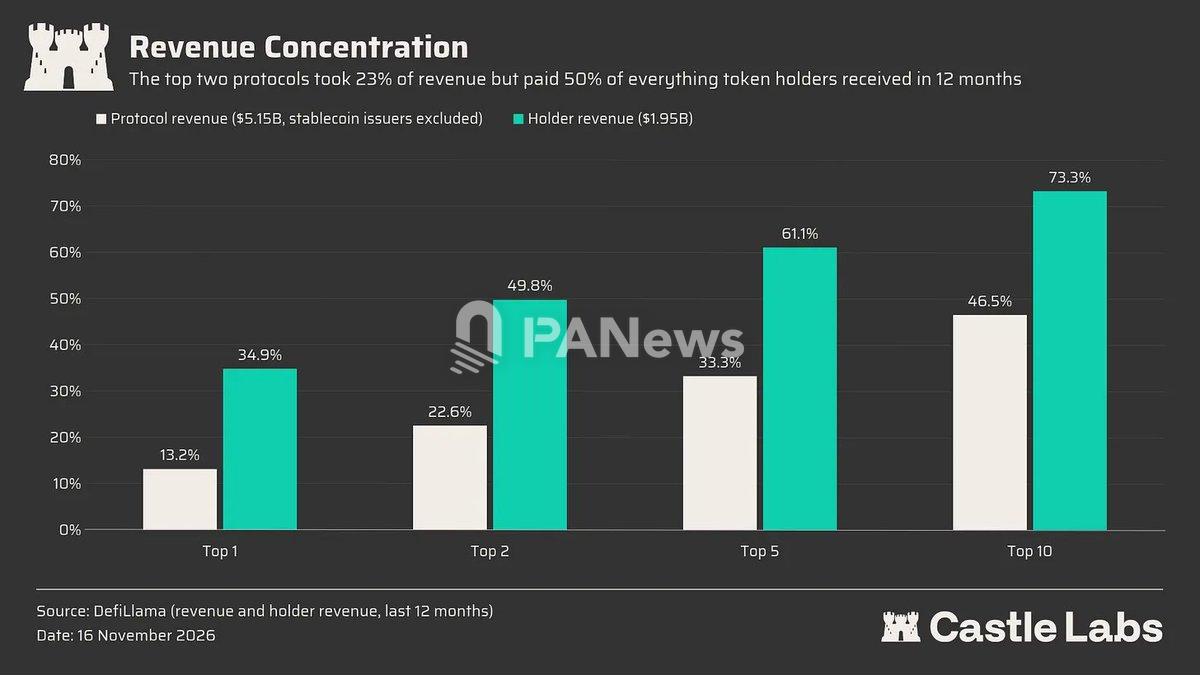
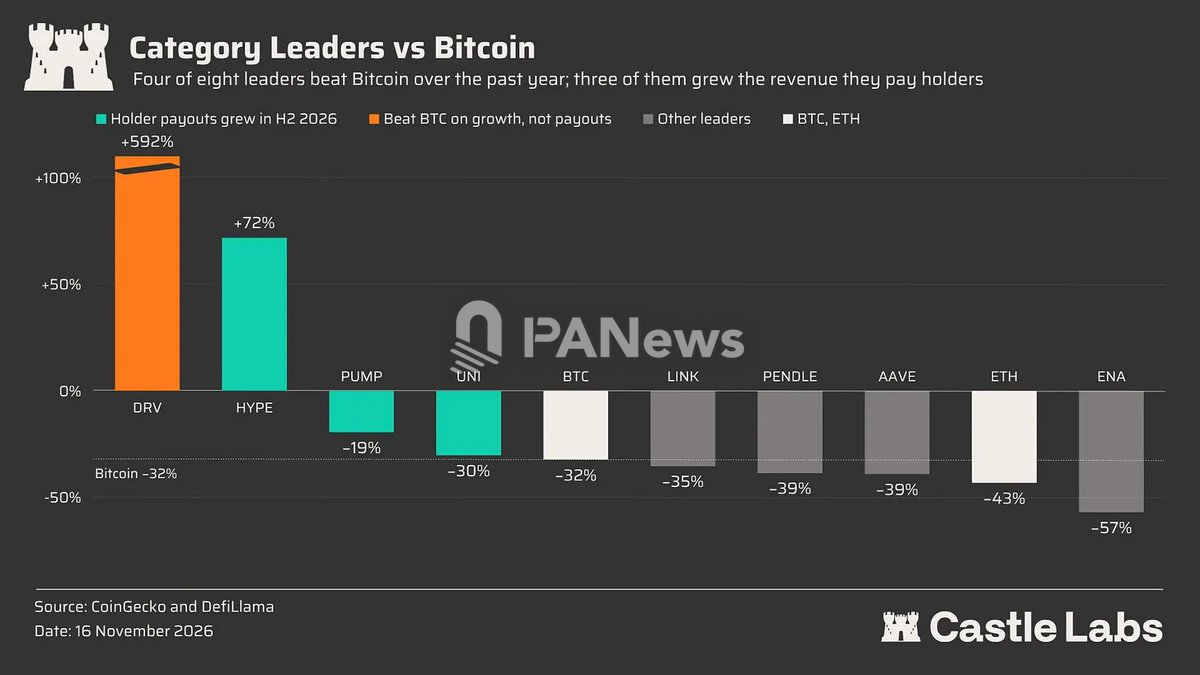
Castle Labs estimated that, excluding stablecoin issuers, the ten highest-earning protocols generated 47% of protocol revenue over the preceding 12 months and accounted for 73% of distributions to token holders. Yet it said most sector-leading tokens underperformed Bitcoin.
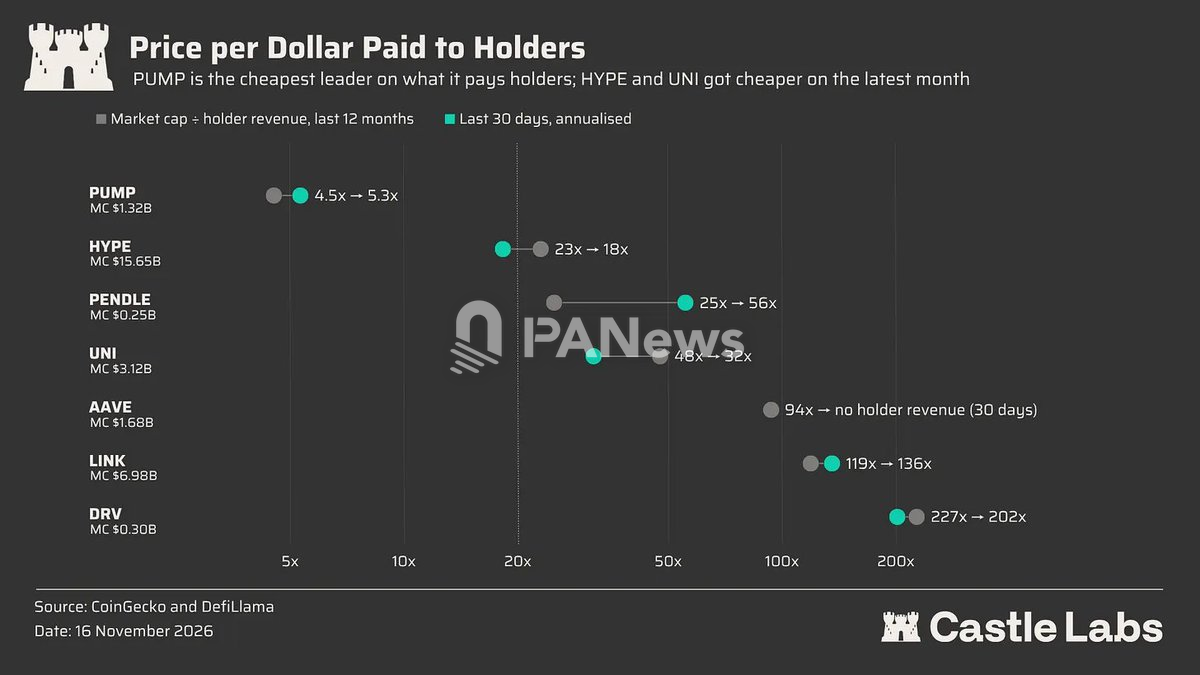
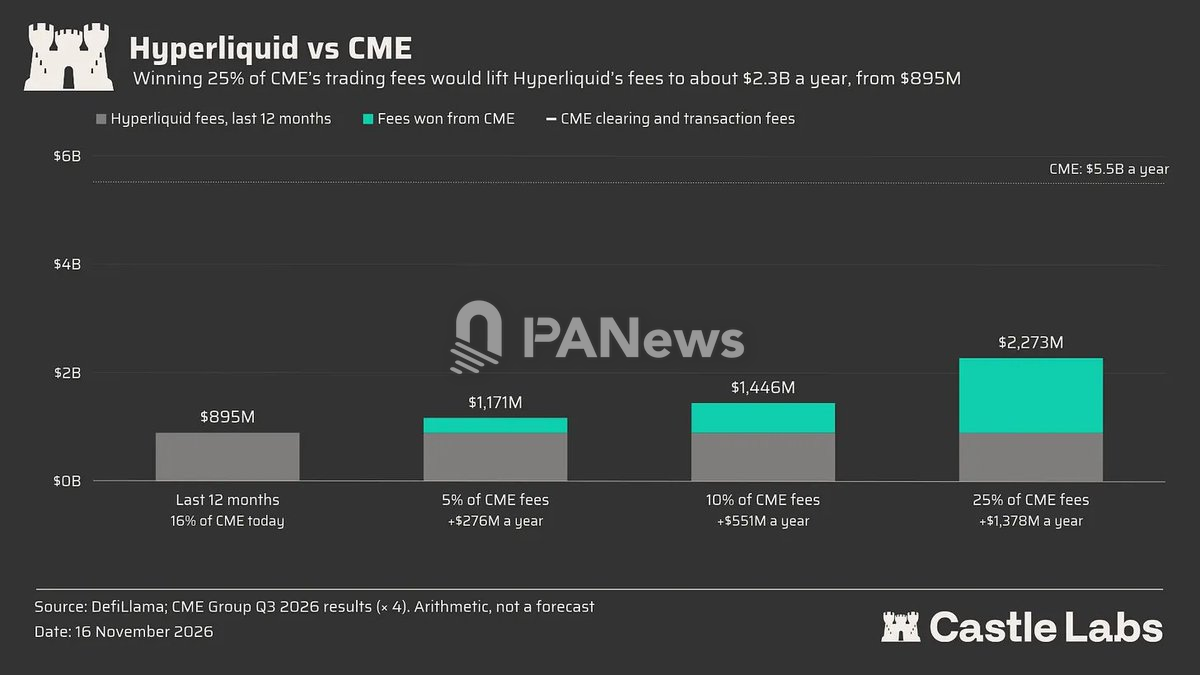
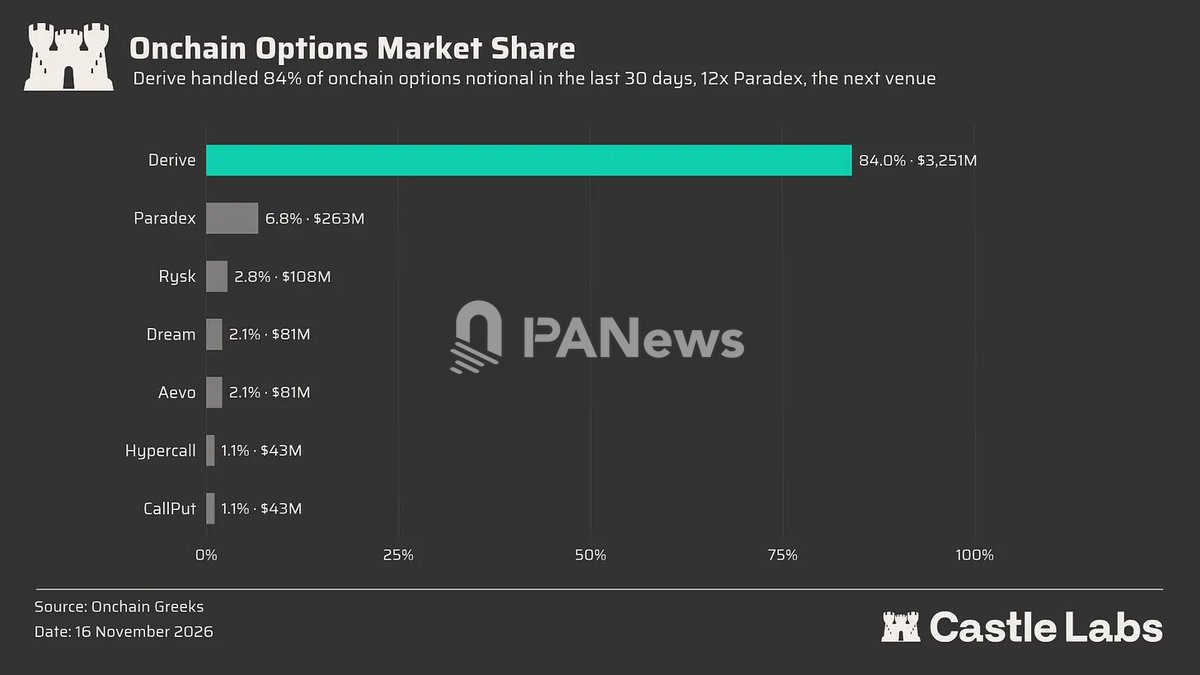
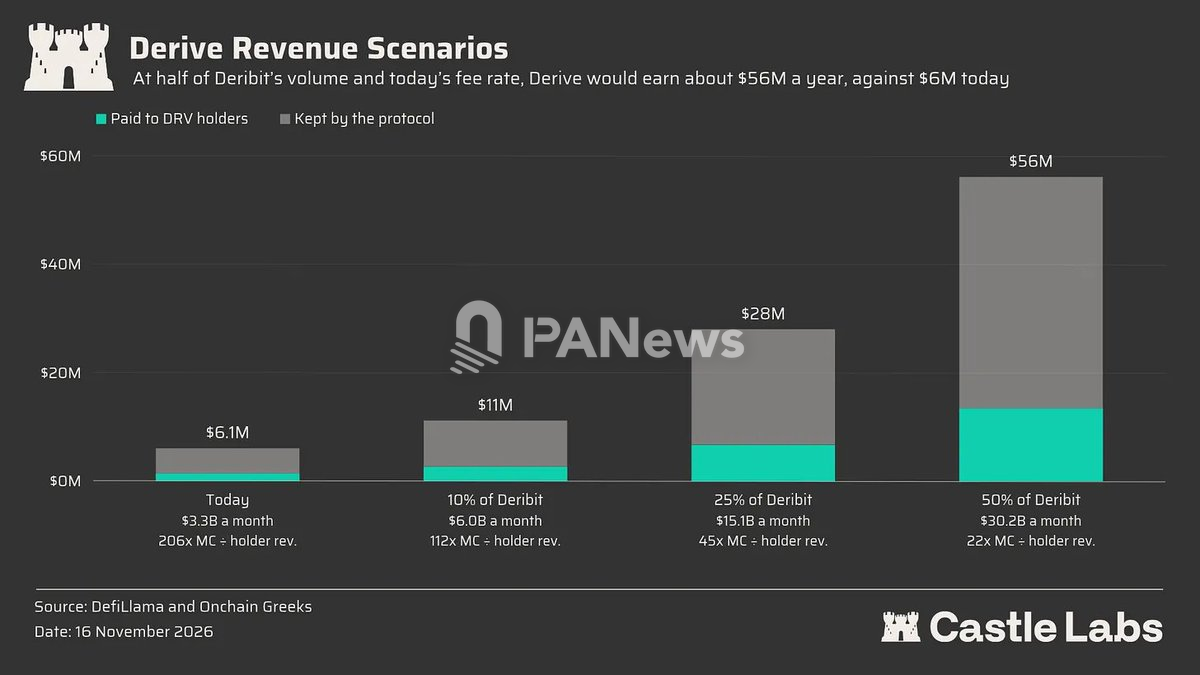
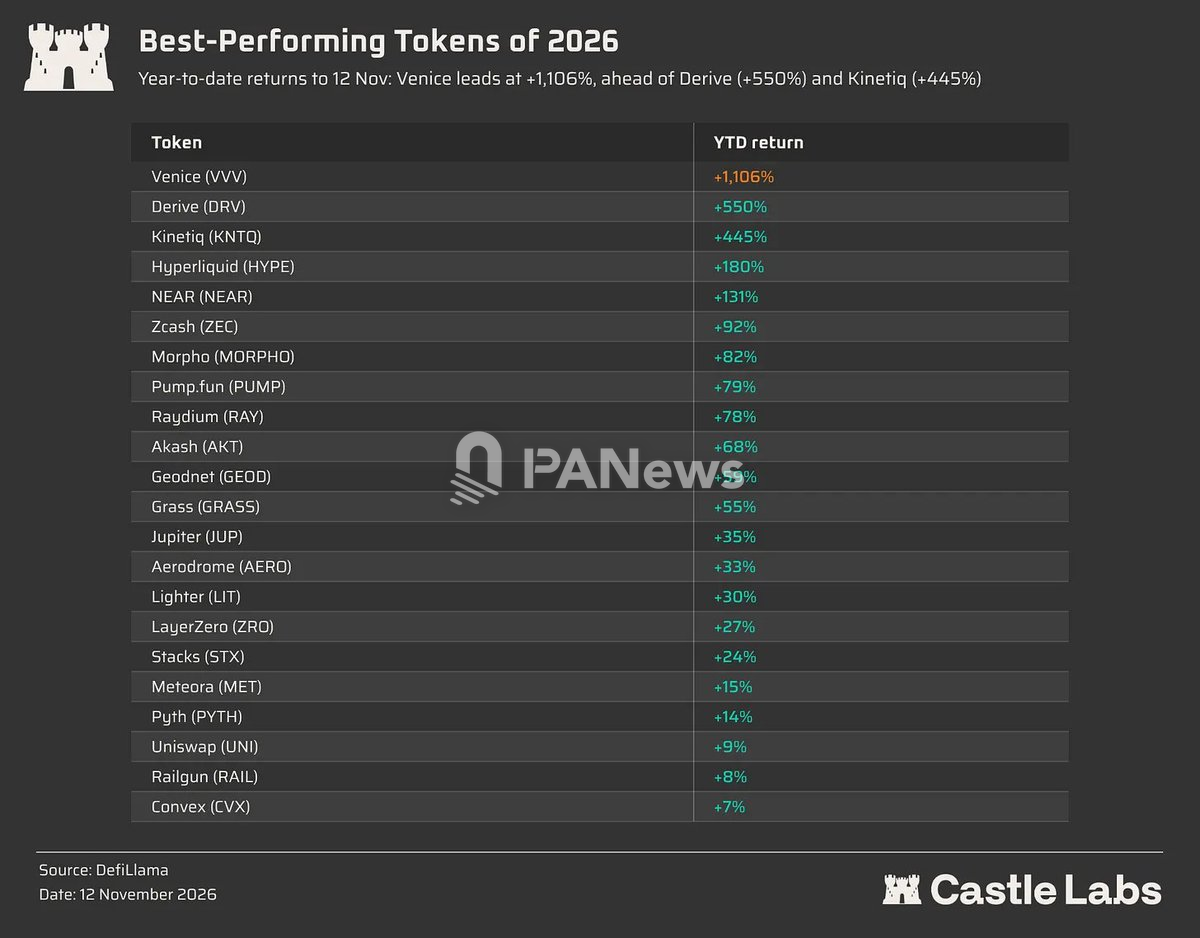
Its examples point in different directions. Castle Labs reported that Derive’s token rose 592% despite roughly $1.3 million distributed to holders over the previous year. It interpreted the gap as a bet on future on-chain options activity, not a return justified by current payouts. By contrast, it described Pump as generating substantial cash flow that returns value to its token while facing doubts about its business model and an unresolved user airdrop. Those judgments are the analyst’s, not proof of where either token should trade.
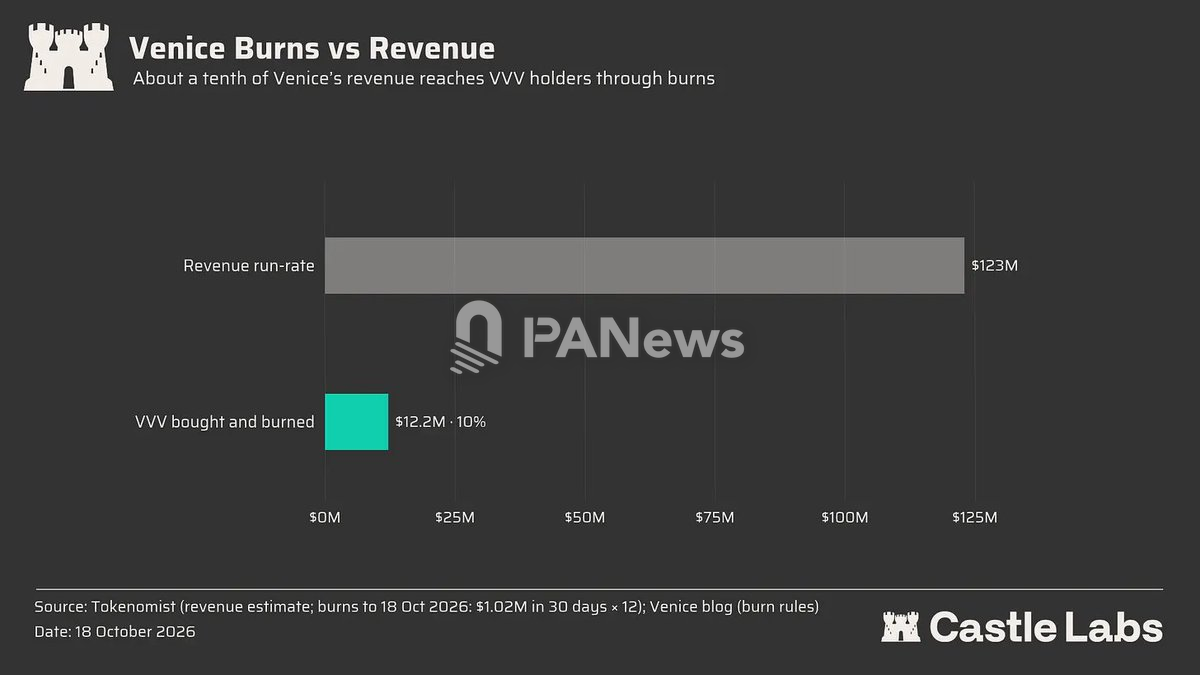
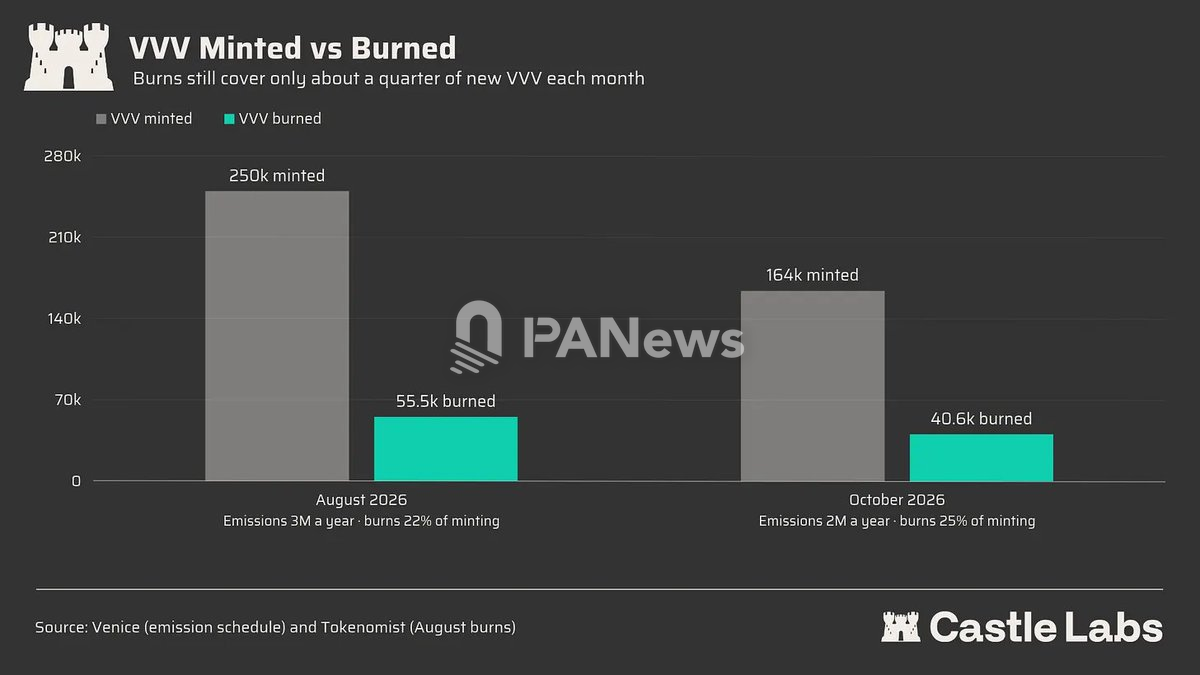
Even a protocol’s total revenue can overstate what its token captures. Castle Labs said Venice AI had an annualized business revenue of $123 million, but noted that company shareholders also have a claim on the business. It reported that Venice burned about $1.02 million worth of VVV over the preceding 30 days, while annual token issuance had been cut from 2.5 million to 2 million. On the analysis’s own figures, the then-current burn rate would offset only about a quarter of new issuance.
Where the growth story gets ahead of the figures
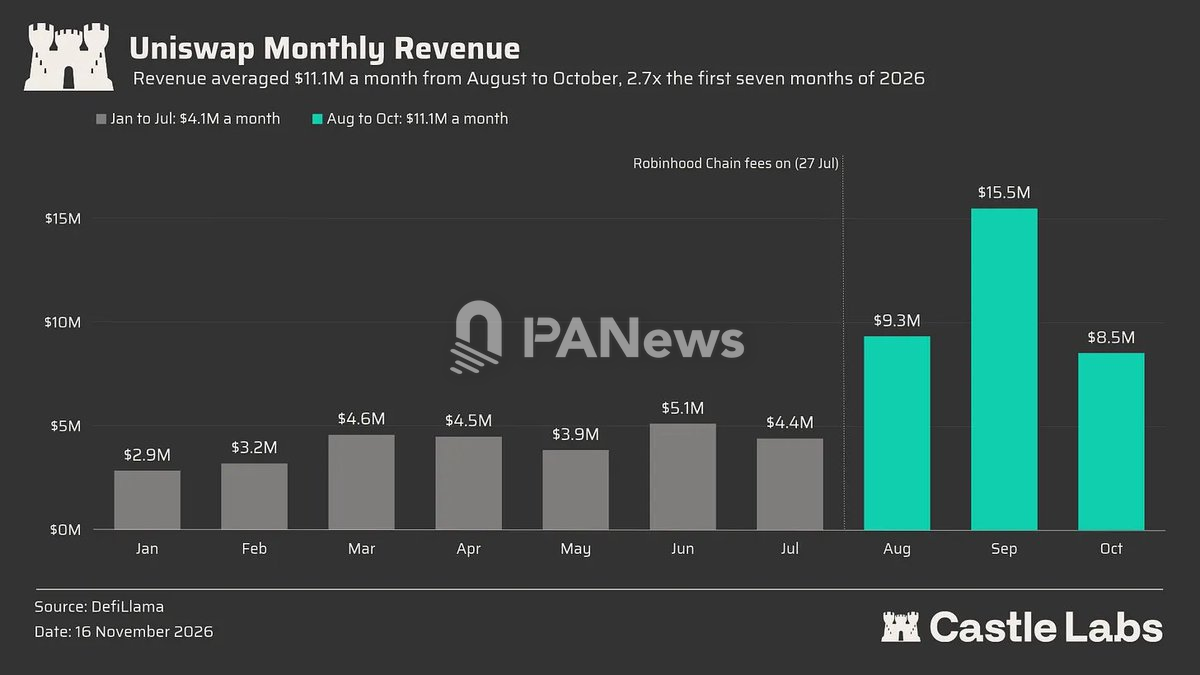
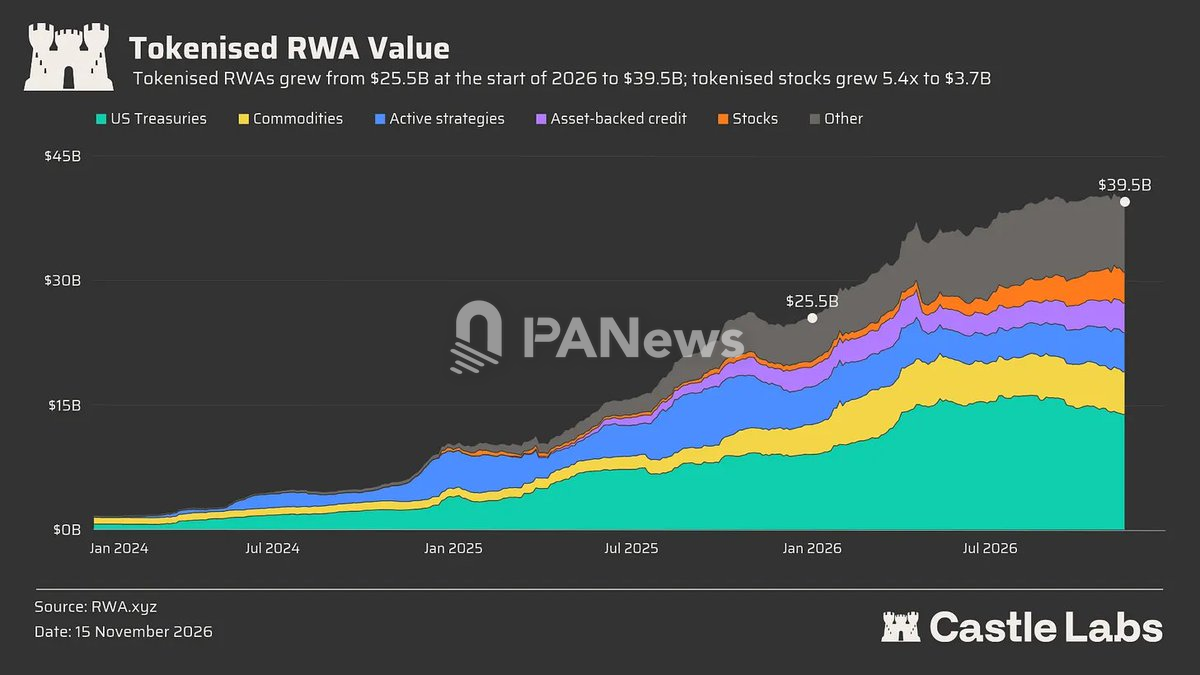
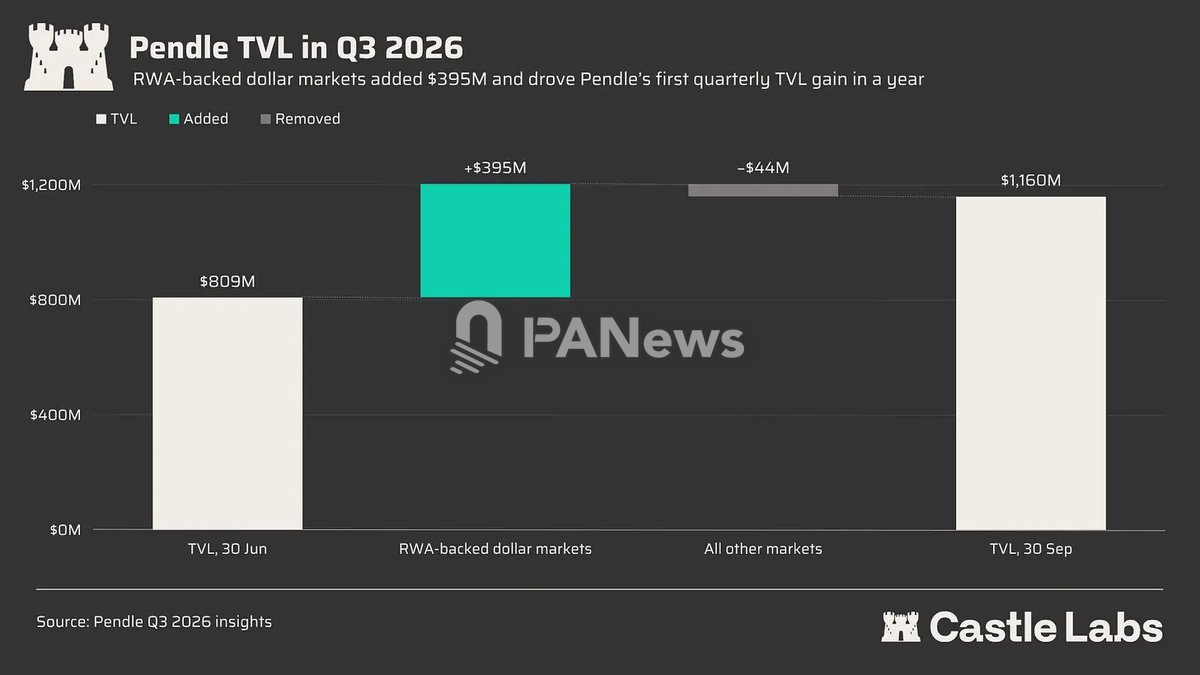
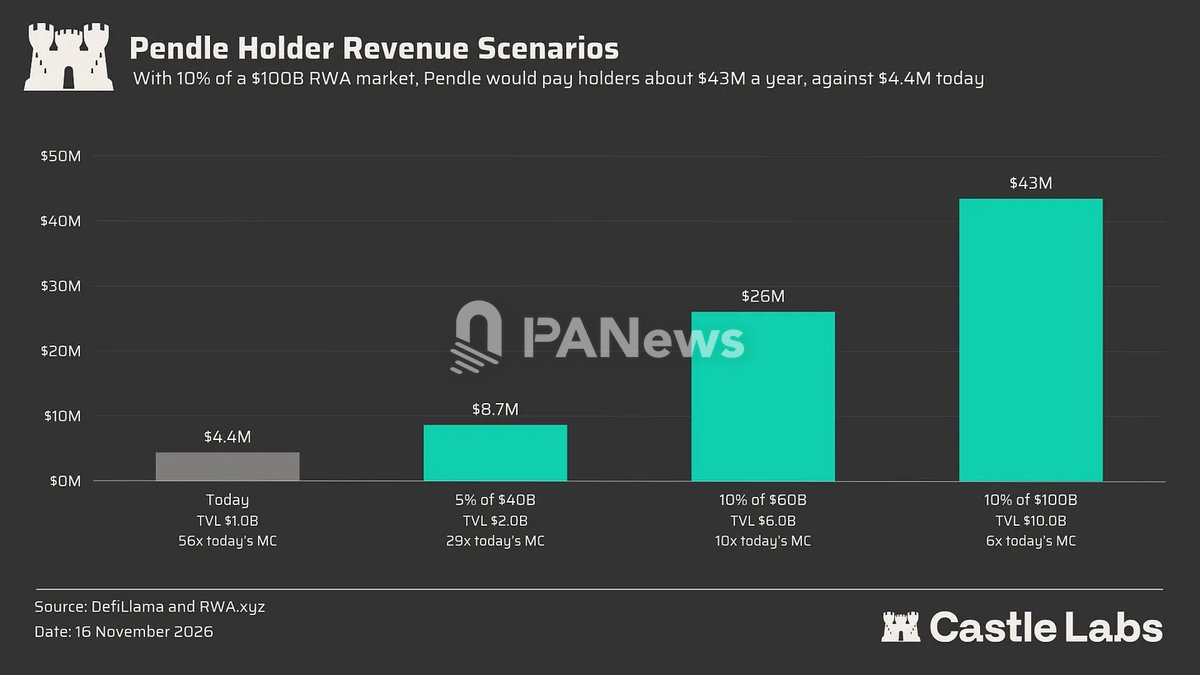
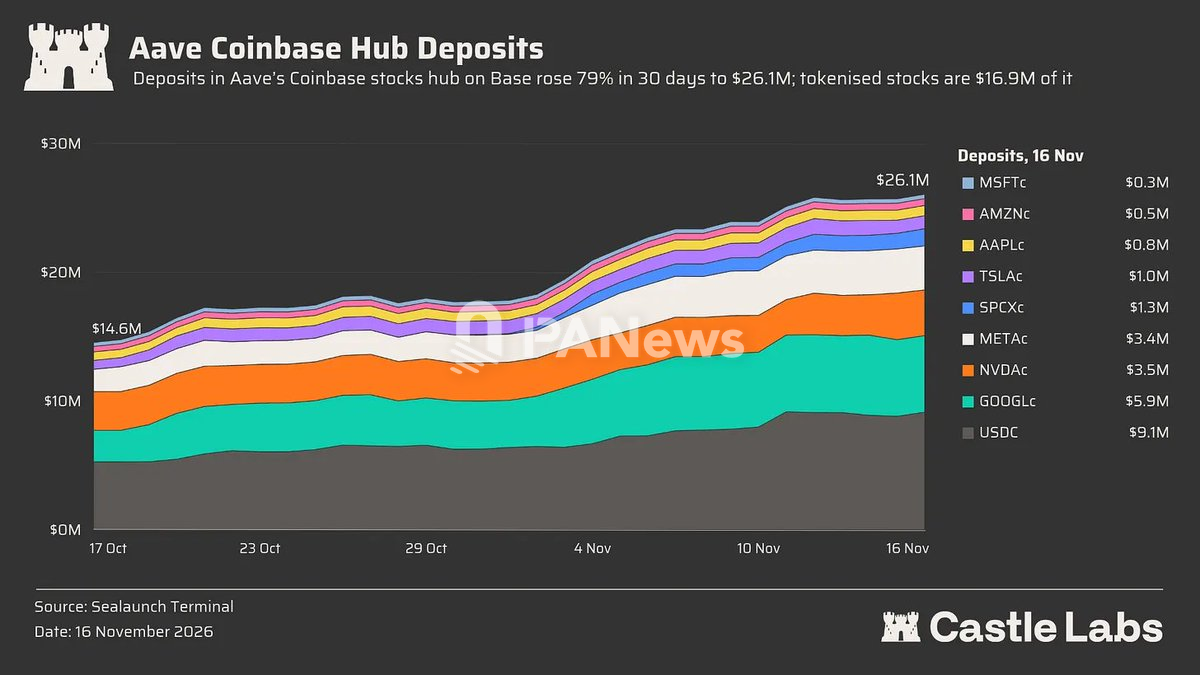
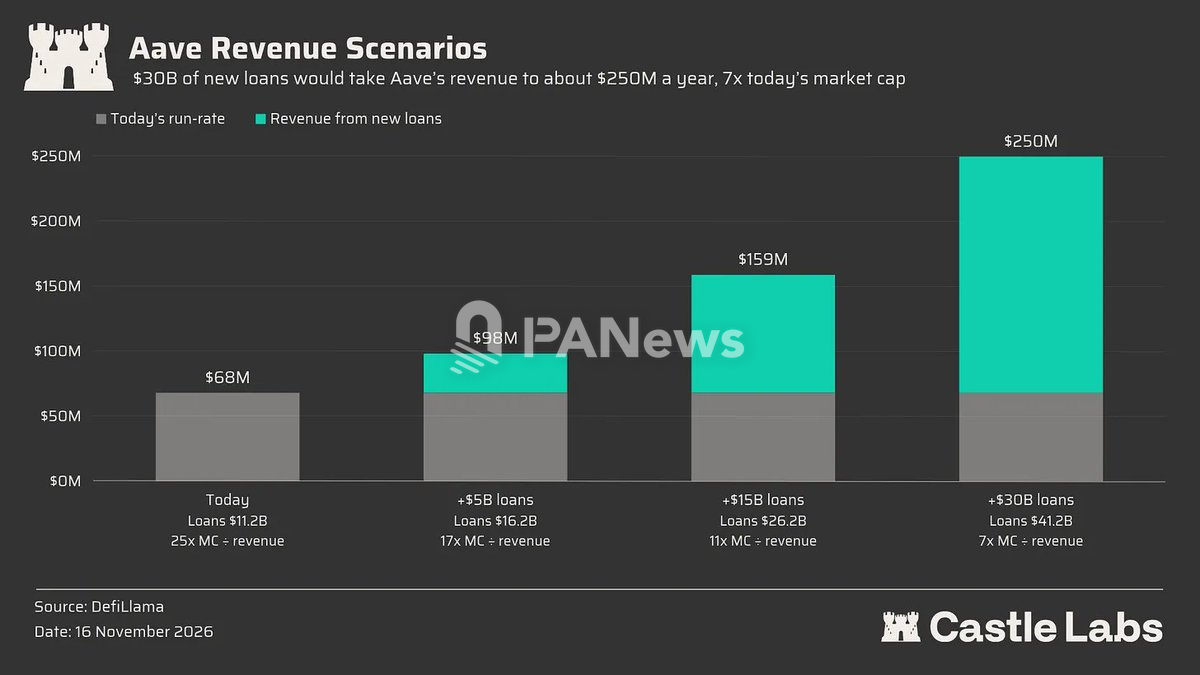
The analysis presented tokenized real-world assets as a possible larger market for DeFi protocols including Uniswap, Pendle and Aave. It cited growth in on-chain RWA value from about $25 billion at the start of 2026 to about $40 billion at the time of writing. That market thesis is not the same as a demonstrated future payout to any particular token holder. Castle Labs also described proposed U.S.-facing Hyperliquid partnerships as awaiting final regulatory approval; their prospective market reach should not be counted as an operating result.
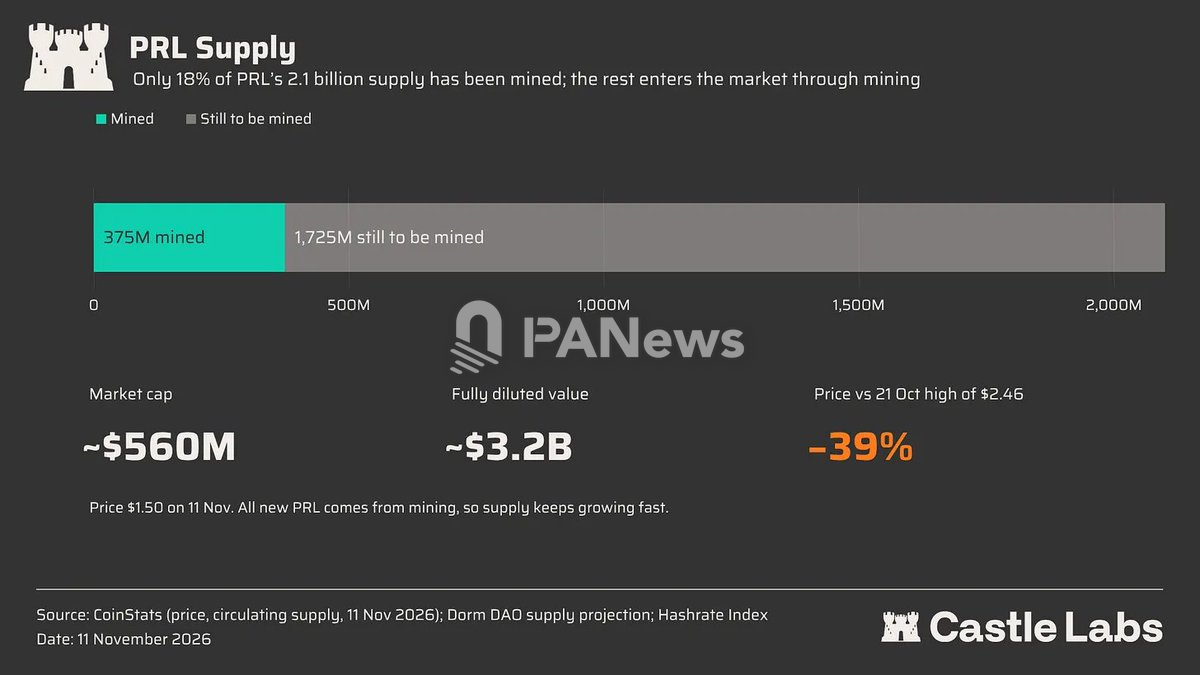
For the more speculative fringe, Castle Labs highlighted an “AI currency” thesis for Pearl. It also acknowledged a material gap: most computing power contributed by miners had not been sold to outside customers, and it identified Together AI as the sole partner using subsidized services. The source alternates between PRL and PEARL when referring to the token, so its ticker is not settled by this account.
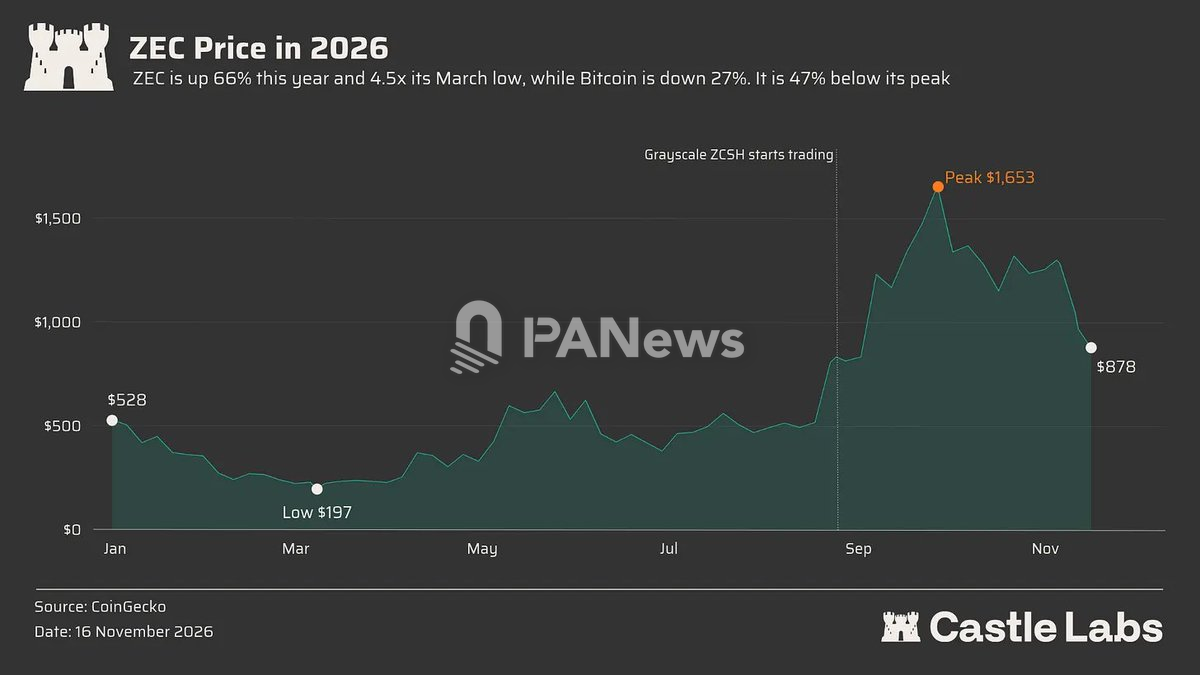
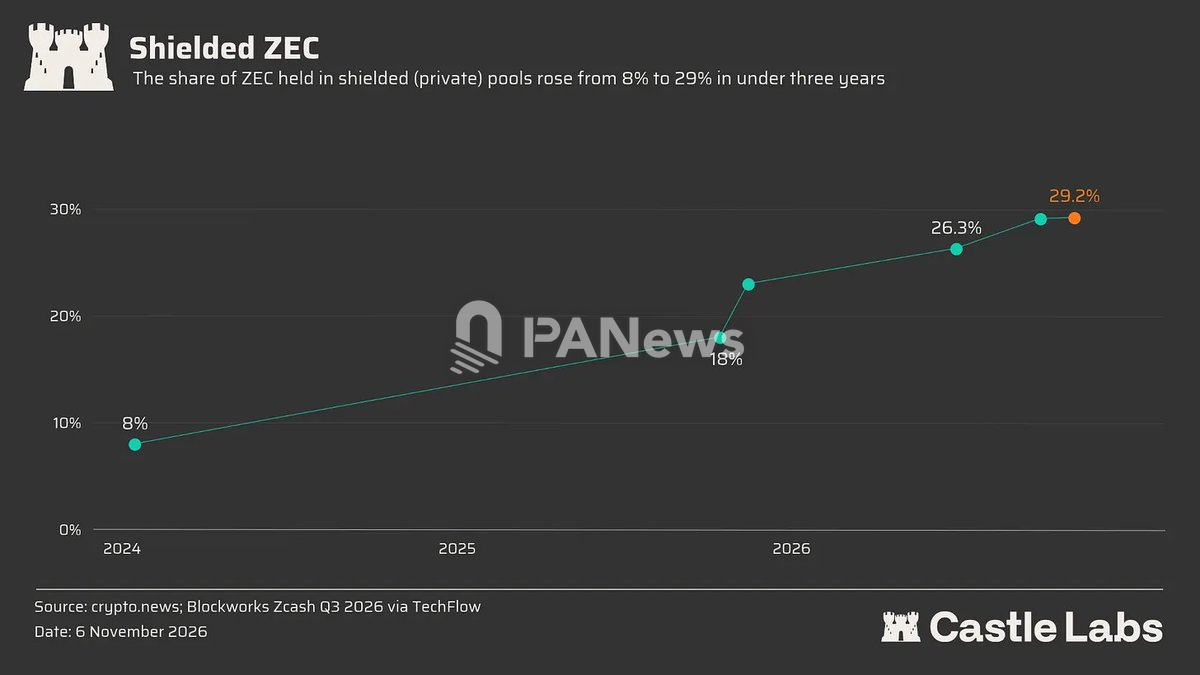
Castle Labs framed Zcash as a privacy-focused, Bitcoin-like store-of-value narrative, citing its 21 million coin supply cap and an increase in the share of shielded ZEC from 8% to 29.2% over three years. It further claimed that a Grayscale Zcash ETF began trading on August 25 and drew more than $1 billion in inflows. The supplied analysis does not independently substantiate that striking ETF claim; it should not be treated here as a verified fund launch or flow figure. Its suggestion that a Democratic midterm victory would increase demand for Zcash privacy is likewise the analyst’s political-market interpretation, not an established causal link.
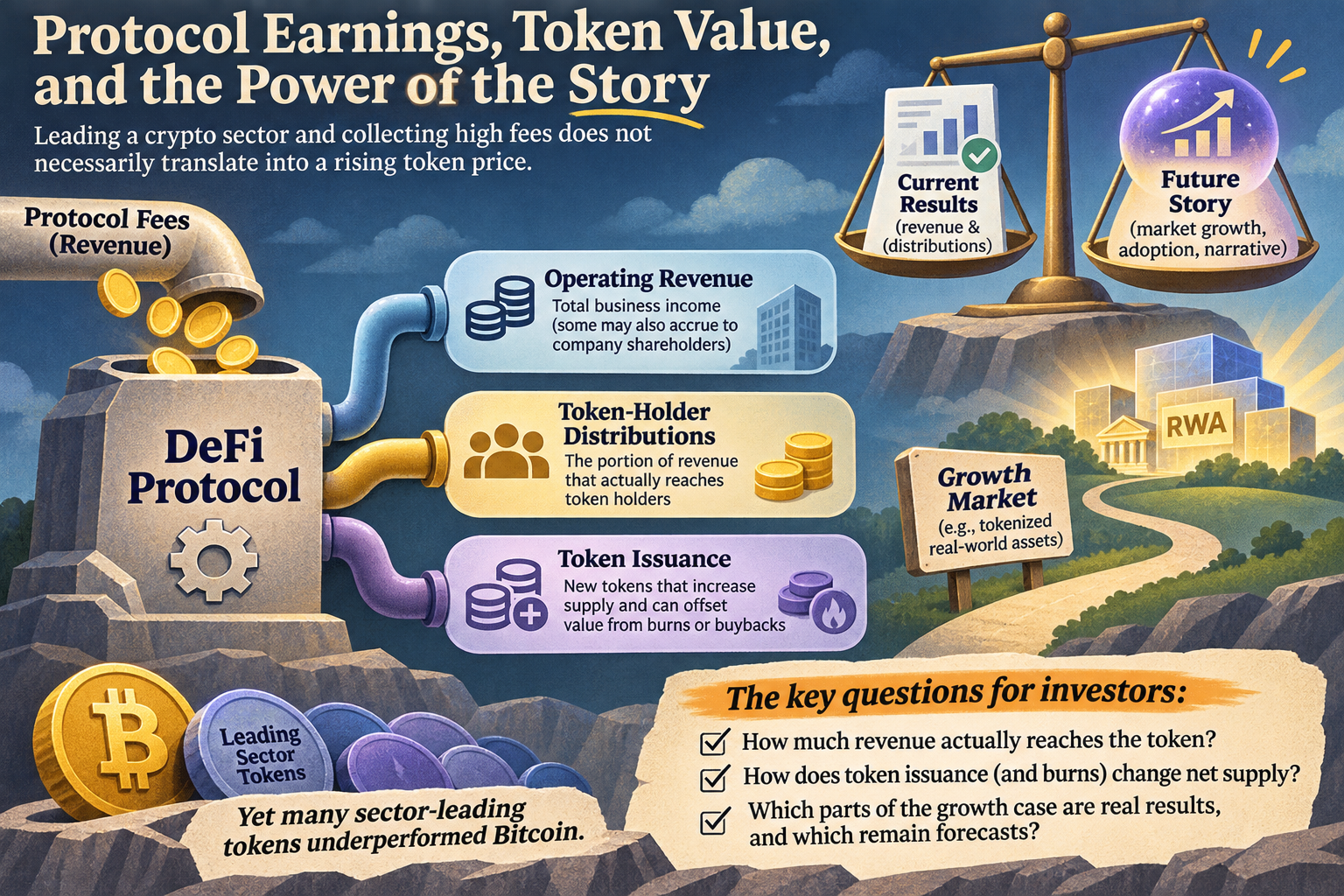

The useful question running through these examples is narrower than “which story wins?” It is how much revenue reaches the token, what issuance offsets it, and which parts of a growth case remain forecasts rather than results.