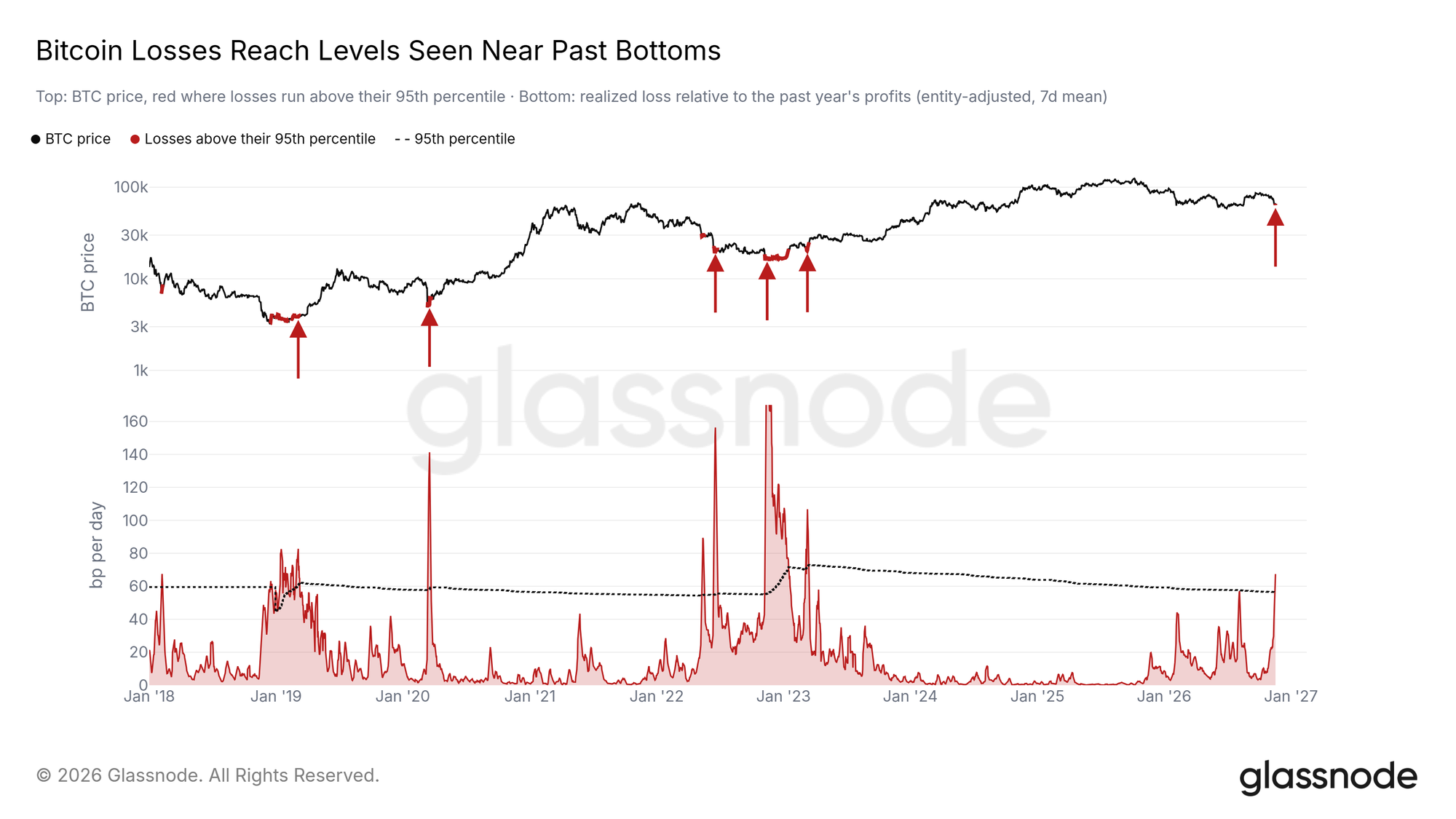
In an analysis published on November 18, 2026, Glassnode said Bitcoin’s November 15 decline to $62,000 produced realized losses at levels it associates with past market bottoms. That is a measure of selling at a loss, not proof that a bottom has formed. The report, translated by TechFlow, also described heavy long liquidations and weak broader spot demand.
Who sold, and where buyers appeared
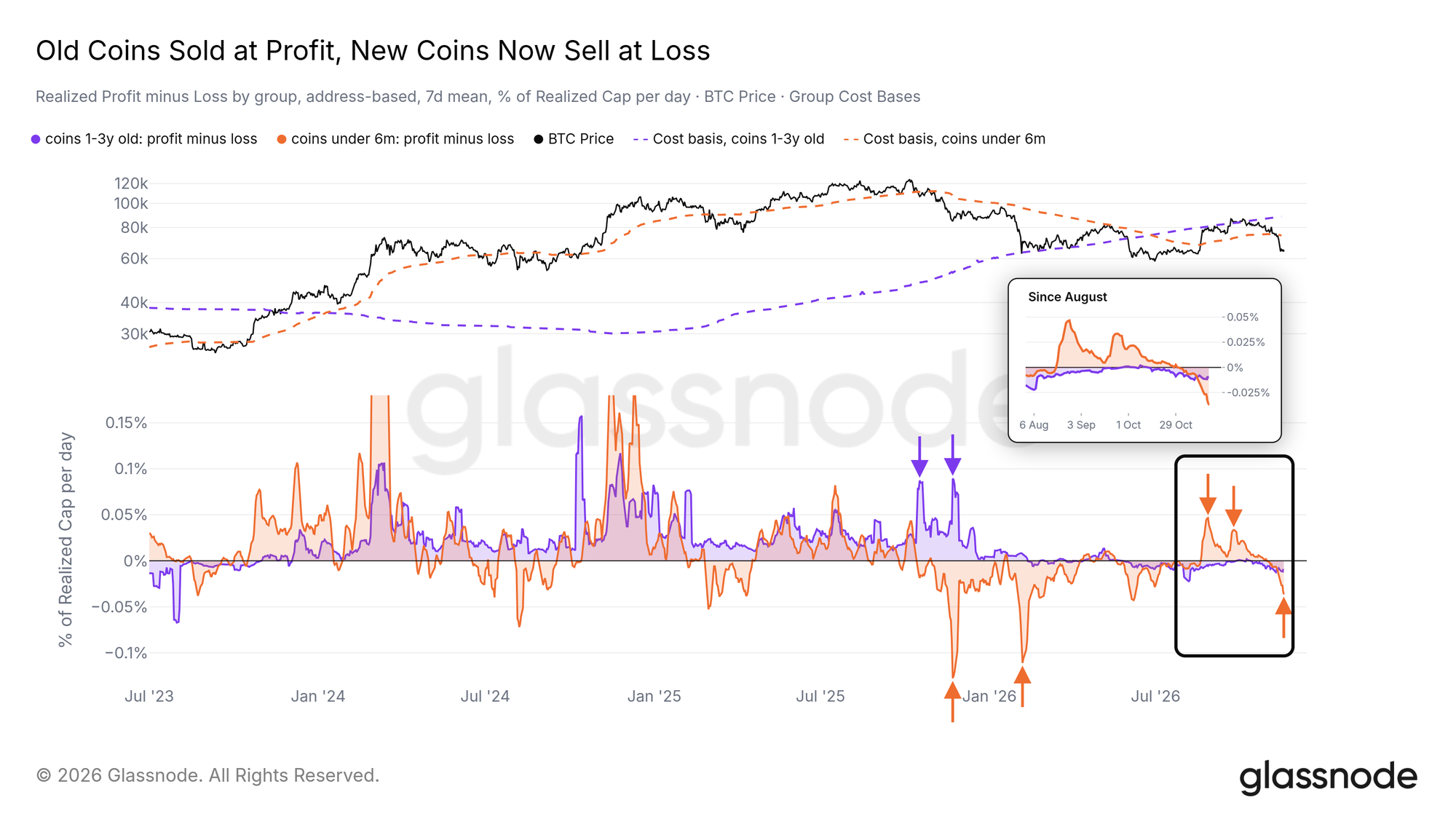
Glassnode’s analysis identified investors who bought within the preceding 12 months—particularly holders of less than three months—as the main source of selling. It said coins held for one to three years had largely remained inactive after those investors took profits in late 2025. Bitcoin had fallen below the estimated average purchase prices of both recent-buyer groups.
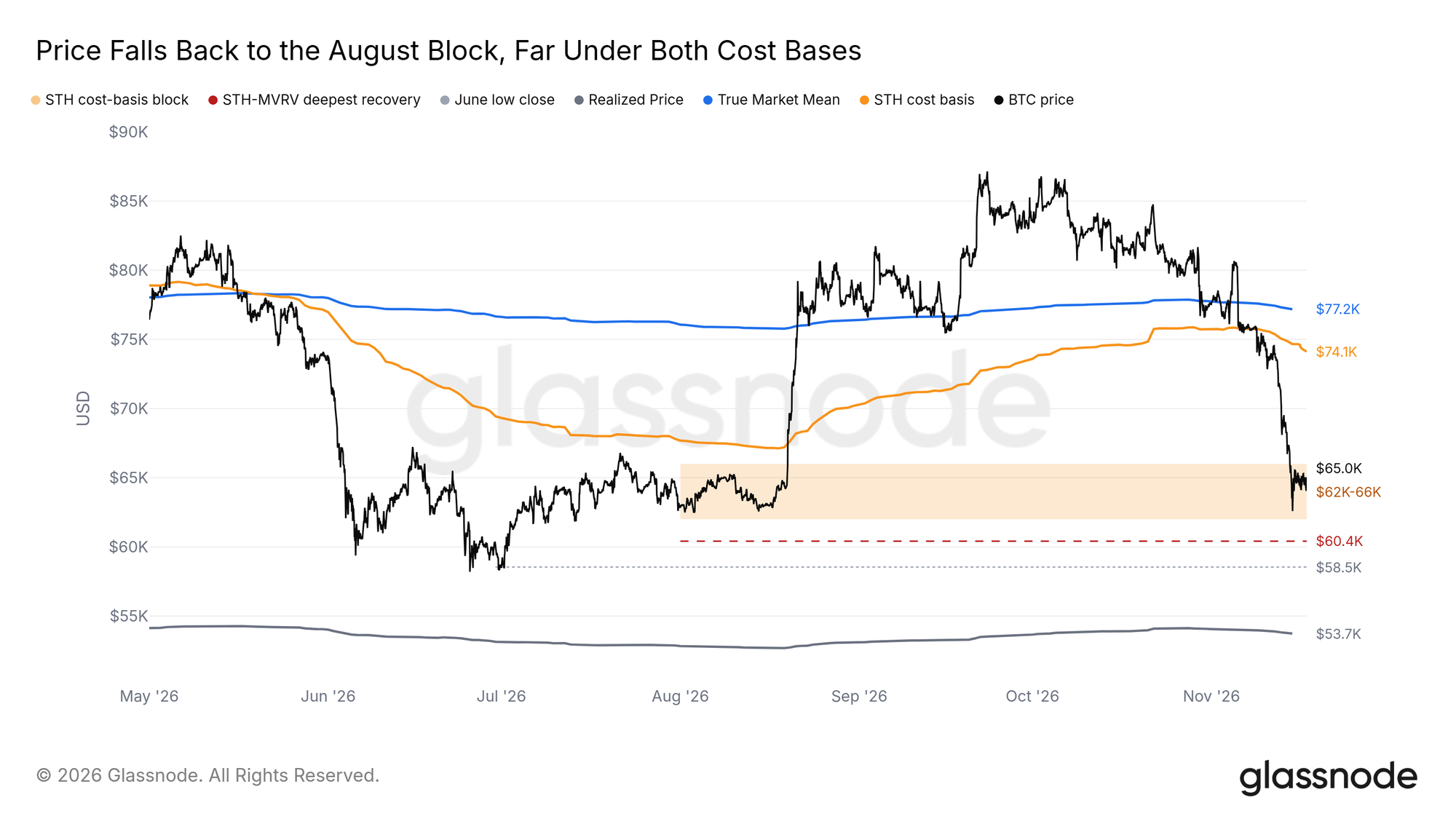
The report placed a dense band of recent purchases between $62,000 and $66,000, with relatively few short-term-holder purchases below $62,000 before an older cluster near $48,000. It put the broader short-term-holder cost basis at $74,100. These are estimates of where coins changed hands, not guaranteed support or resistance levels.
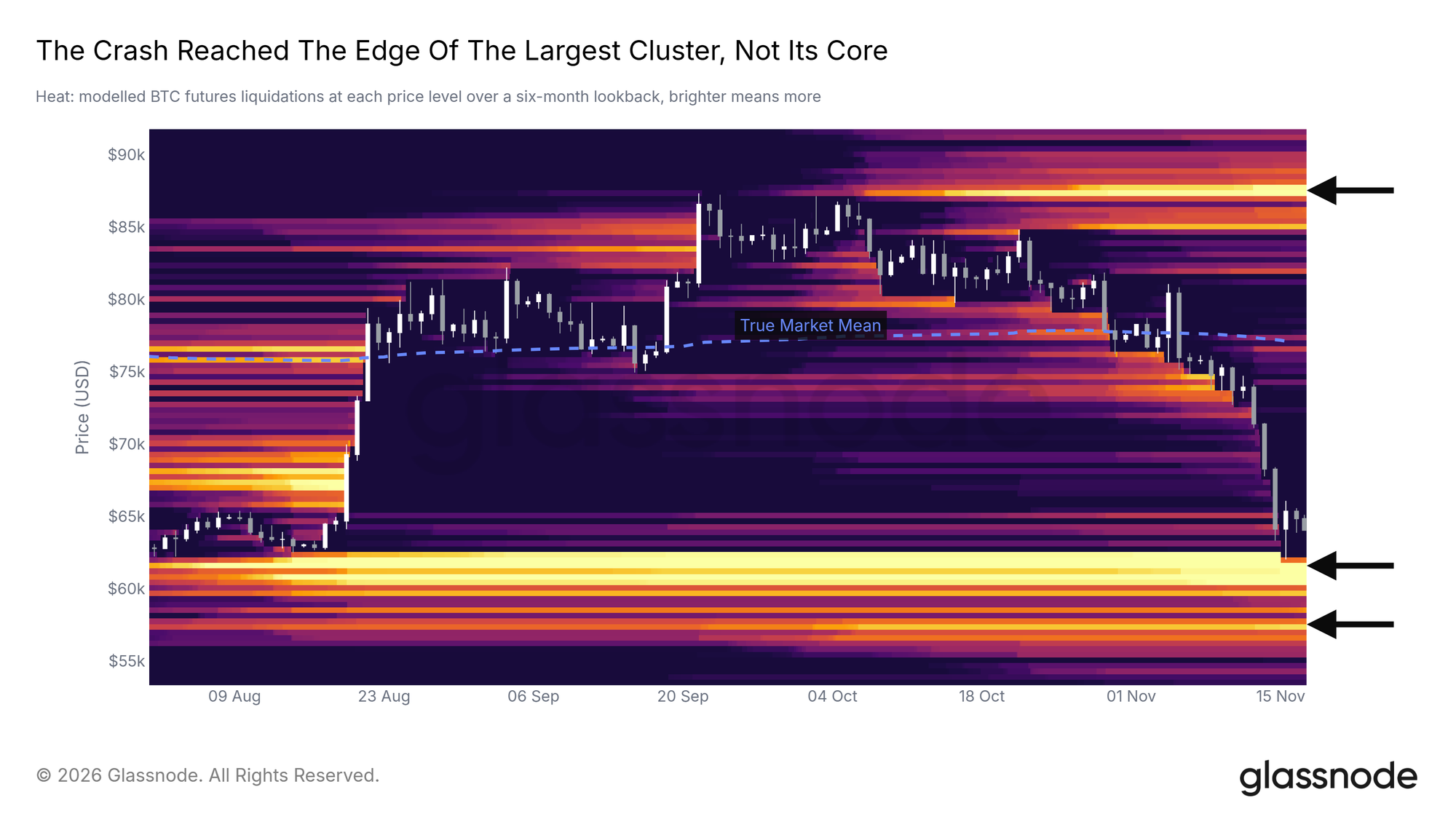
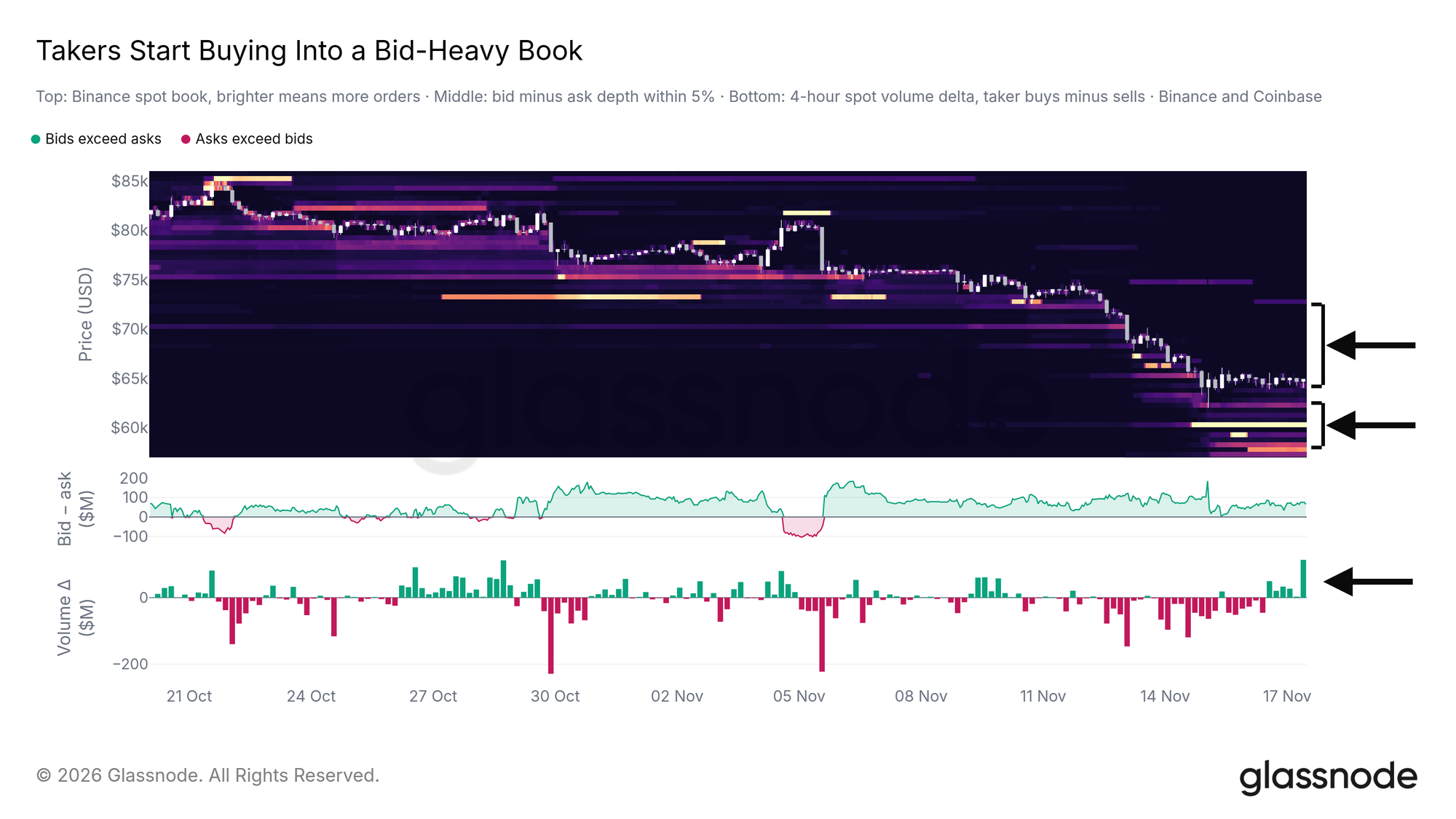
Glassnode said long liquidations on November 13–14 were, relative to total open interest, the largest since August 2024. Bitcoin’s November 15 intraday low entered the upper edge of a previously identified $59,500–$62,200 liquidation zone but stayed above most of that cluster. On Binance and Coinbase, bids within 5% of the spot price were about 2.3 times the size of asks, according to the report. Displayed orders indicate willingness to buy at stated prices; they do not establish how much demand will remain if prices move.
Evidence against a simple rebound story
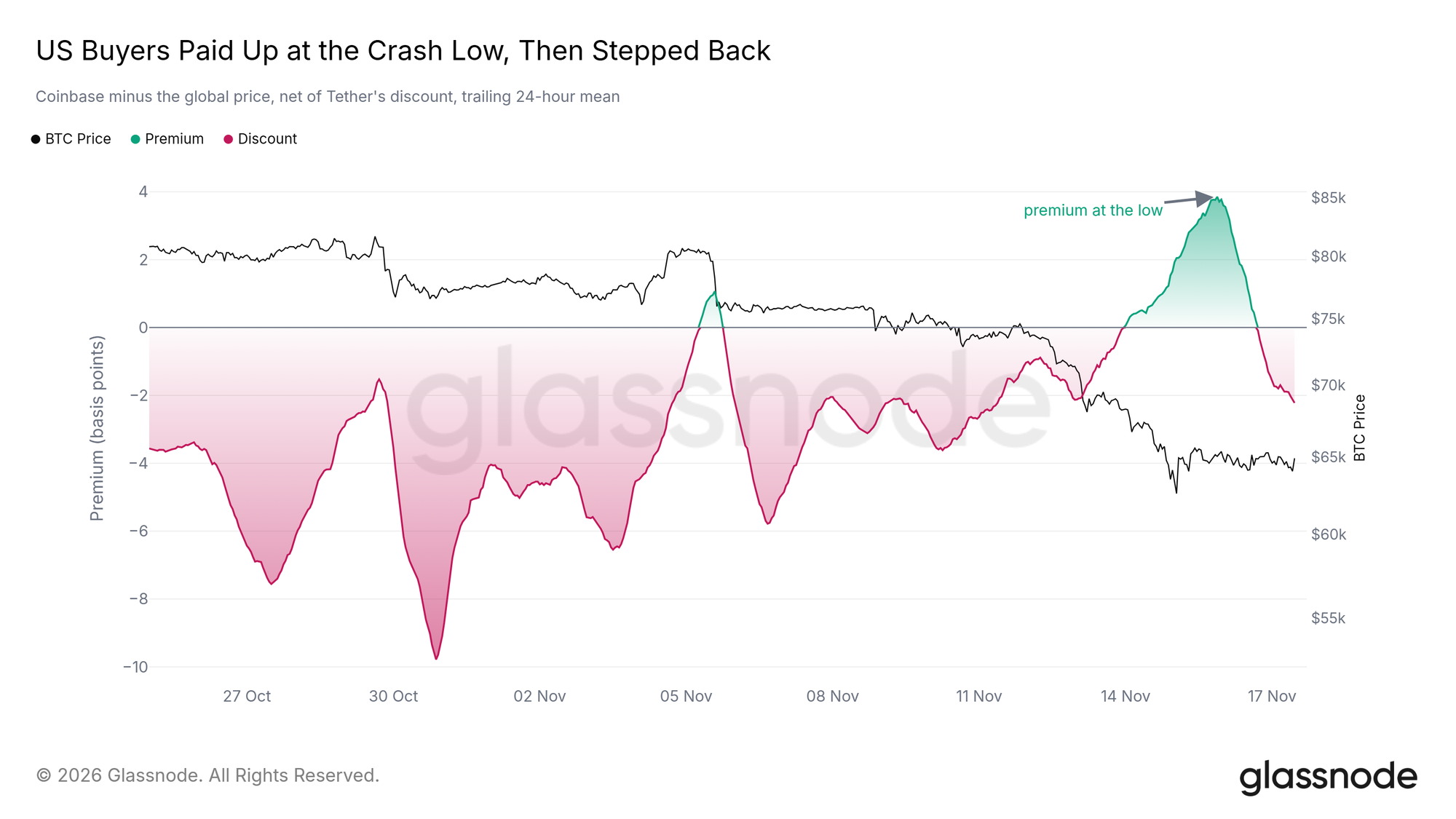
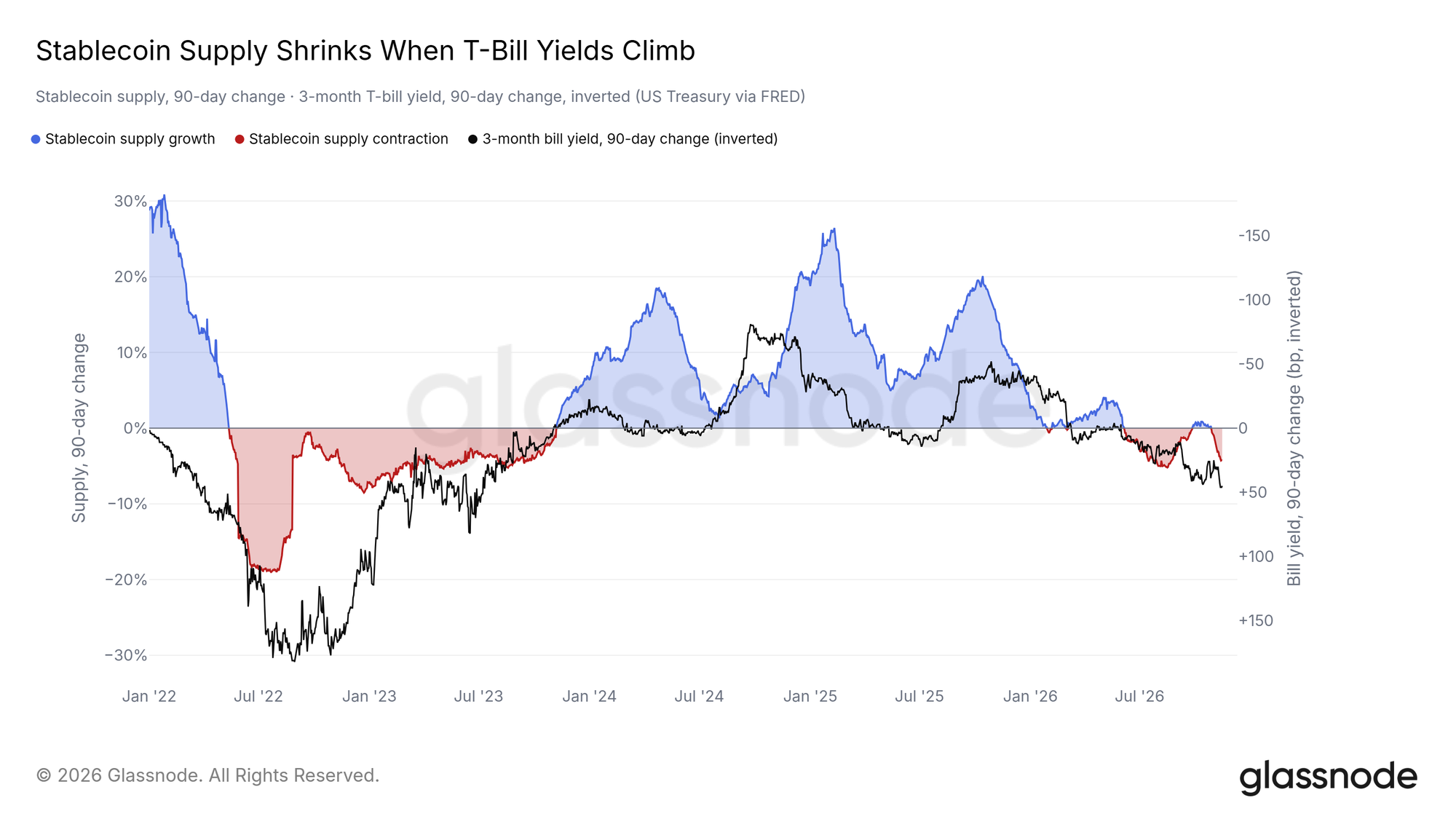
Glassnode said stablecoin market capitalization had contracted 4.2% over 30 days, its fastest decline since late 2023, while the Coinbase premium had returned to a slight discount after briefly turning positive near the low. It also reported $2.6 billion in net outflows from U.S. spot Bitcoin ETFs over the 10 trading days through November 13. Those readings complicate any claim that bids near $62,000 signal a broad recovery in demand.
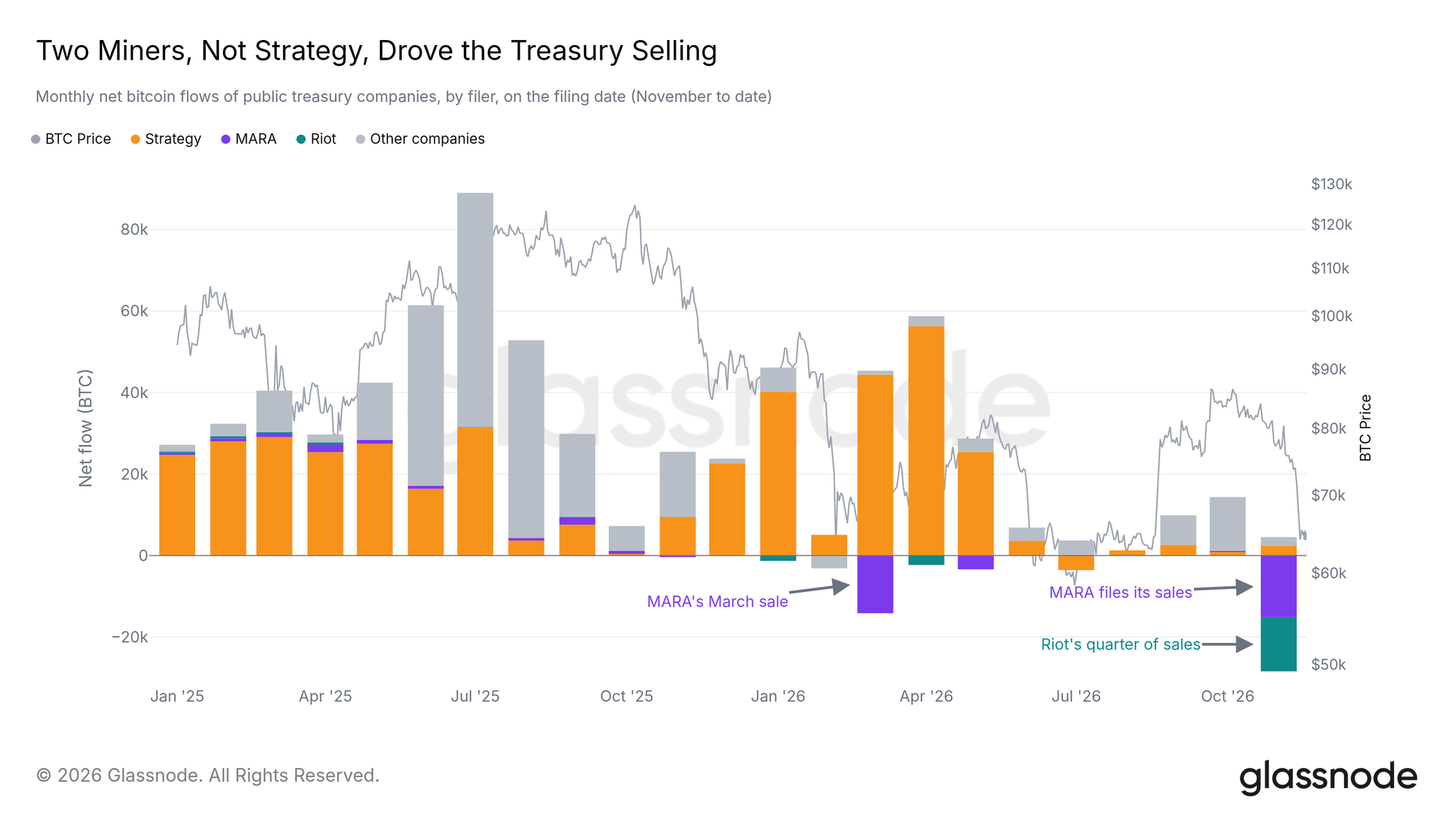
The report said MARA and Riot had reported selling roughly 28,000 BTC combined in November, contrasting those sales with MicroStrategy’s continued accumulation. Glassnode linked listed miners’ Bitcoin sales to capital spending on AI data-center infrastructure; the scale and purpose of any individual sale should not be inferred beyond what the report attributes to the companies.
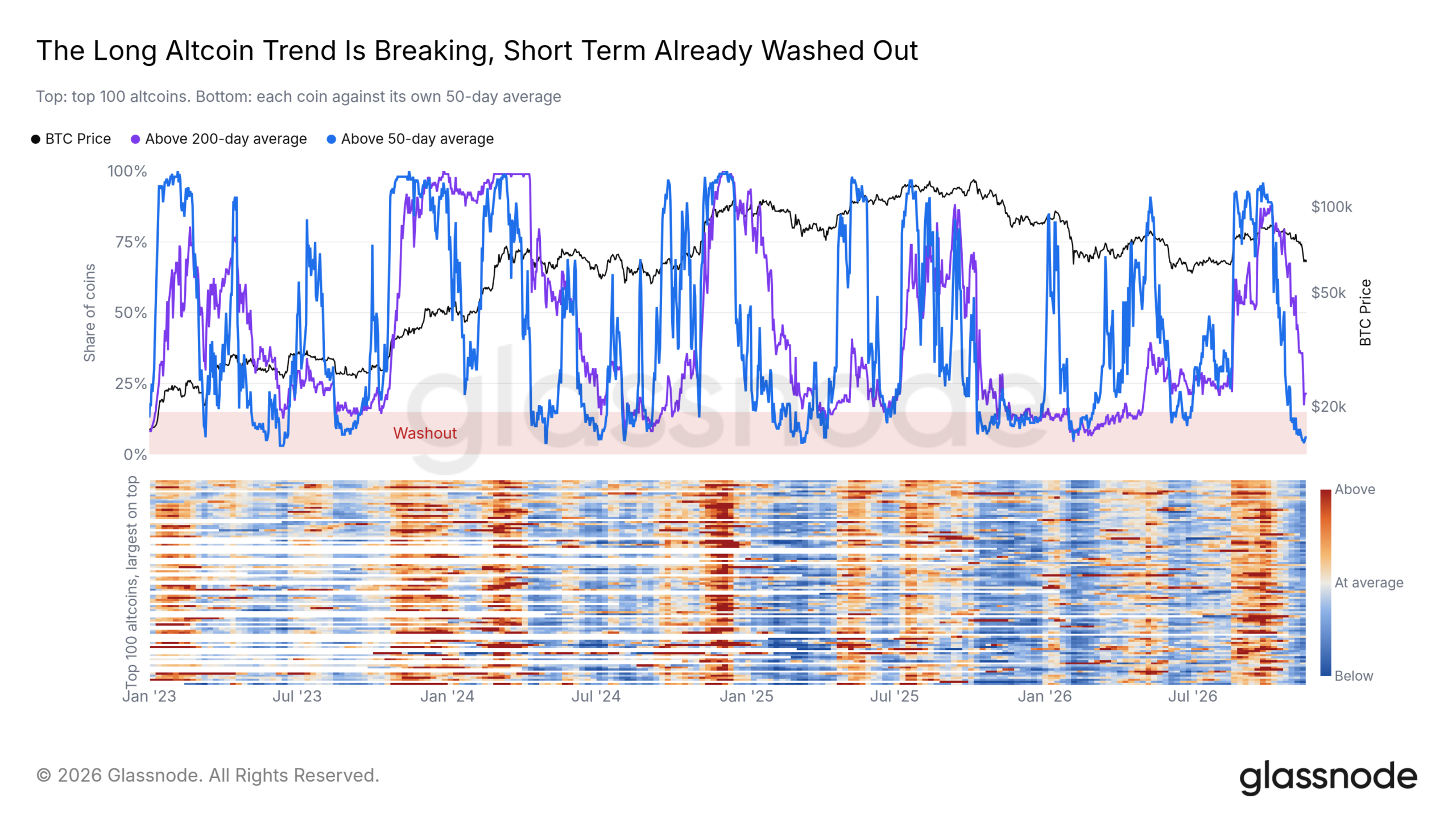
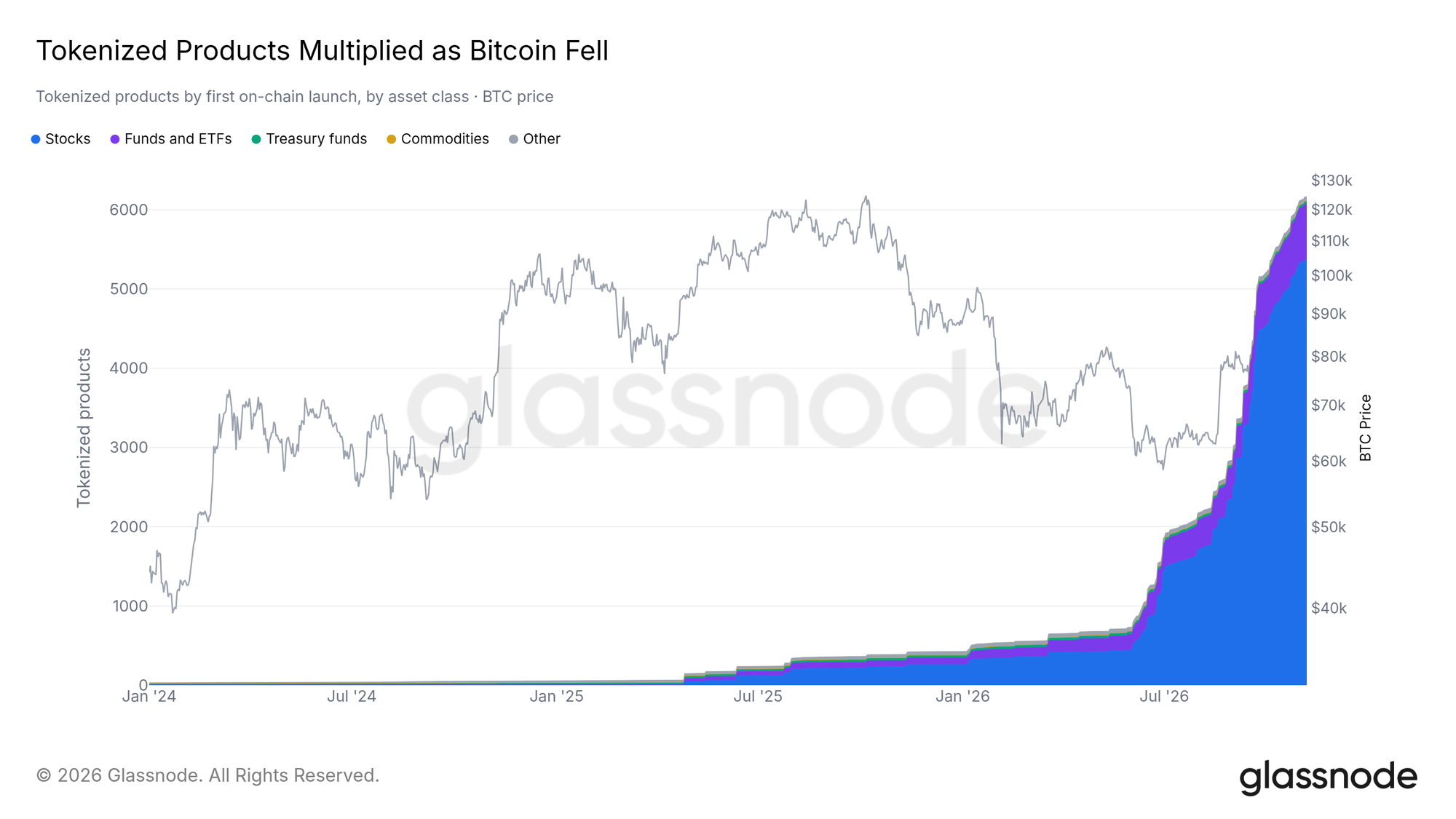
The weakness extended beyond Bitcoin. Glassnode said only 6% of the top 100 altcoins traded above their 50-day moving averages, and 11% above their 200-day moving averages. It pointed to earlier episodes in which similarly extreme altcoin readings occurred near a Bitcoin low and were followed by higher Bitcoin prices over 60 days. That historical pattern is an observation, not a forecast. The report also noted growth in active tokenized-finance projects, including funds, bonds and commodities, without presenting that activity as evidence of immediate Bitcoin buying.
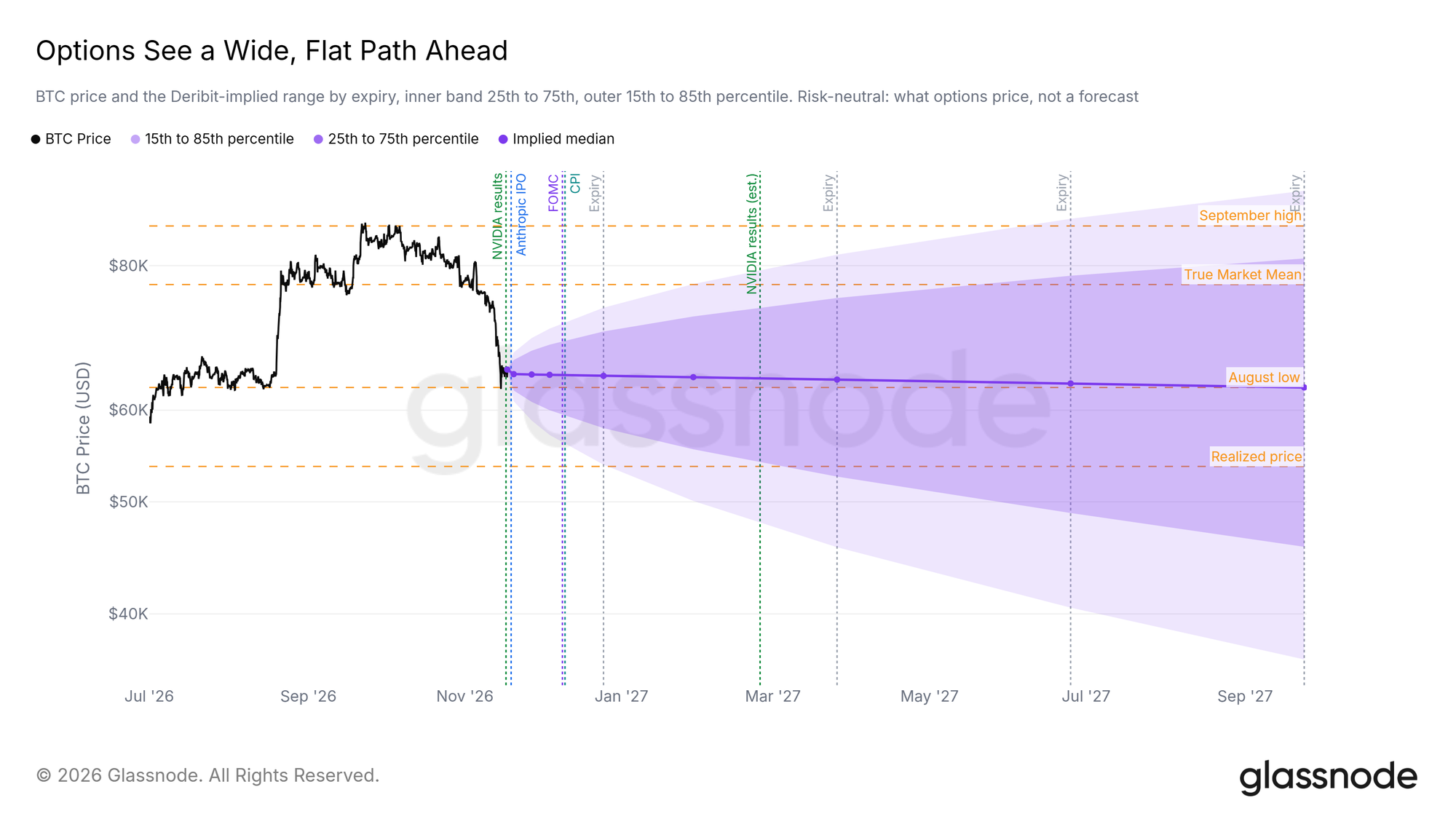
The distinction is the useful one: realized losses and liquidations document the severity of the sell-off; nearby bids document potential demand at particular prices. Neither settles whether that demand can hold.