
Glassnode’s market analysis, published on November 17, 2026, described a sharp Bitcoin sell-off after more than a month of narrow trading. Bitcoin fell about 13% over the preceding week, briefly dipped below $63,000 on Saturday and traded near $64,000 on Monday. The question in the report was not whether leverage had been reduced—it had—but whether selling pressure would continue elsewhere.
Leverage fell; demand remained weak
Glassnode reported that futures open interest declined 7.2% from the prior week to $34.2 billion, while previously elevated perpetual-futures funding rates returned to a neutral range. Its spot cumulative volume delta worsened from −$51.5 million to −$133.7 million, indicating stronger aggressive selling. The 25-delta options skew rose to 13.7%, which Glassnode interpreted as increased demand for downside protection.
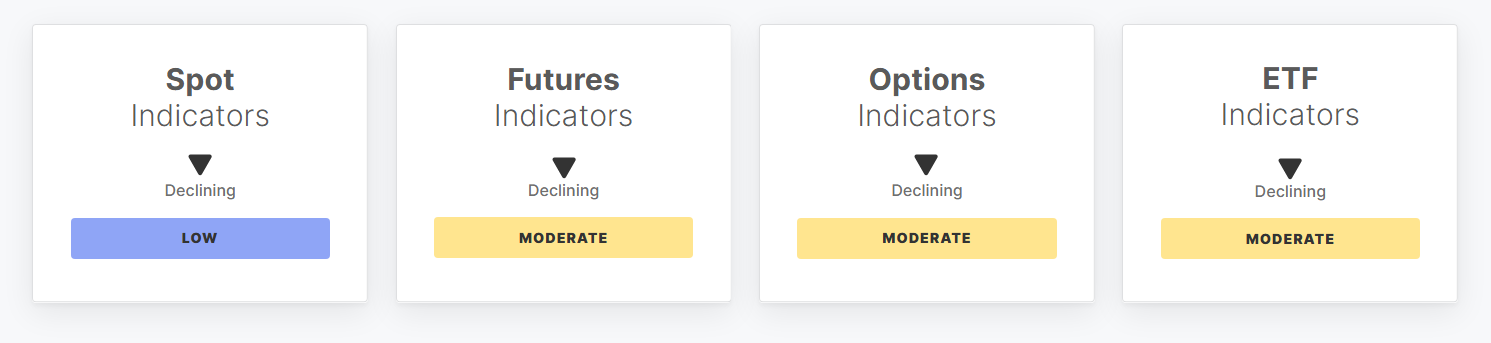
US spot Bitcoin ETFs recorded net outflows on every trading day of the preceding week, according to the report. Weekly net outflows totaled $995.4 million. Glassnode put the ETFs’ aggregate MVRV—a measure comparing market value with estimated cost basis—at 1.06, close to the 1.0 break-even level. That is a measure of estimated holdings, not proof that every ETF investor faces the same outcome.
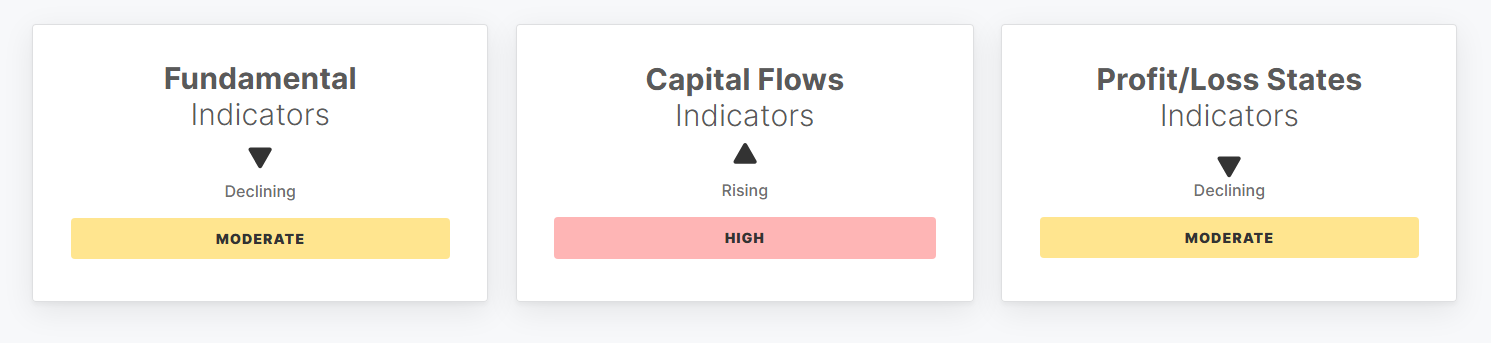
Losses were concentrated among newer holders
Glassnode estimated that 55.3% of Bitcoin supply was in profit, down from 60.4% a week earlier. Its short-term-holder net unrealized profit-and-loss measure fell to −7.4%, indicating that this group was, in aggregate, holding unrealized losses. Meanwhile, monthly realized-cap growth slowed from 0.43% to 0.04%.
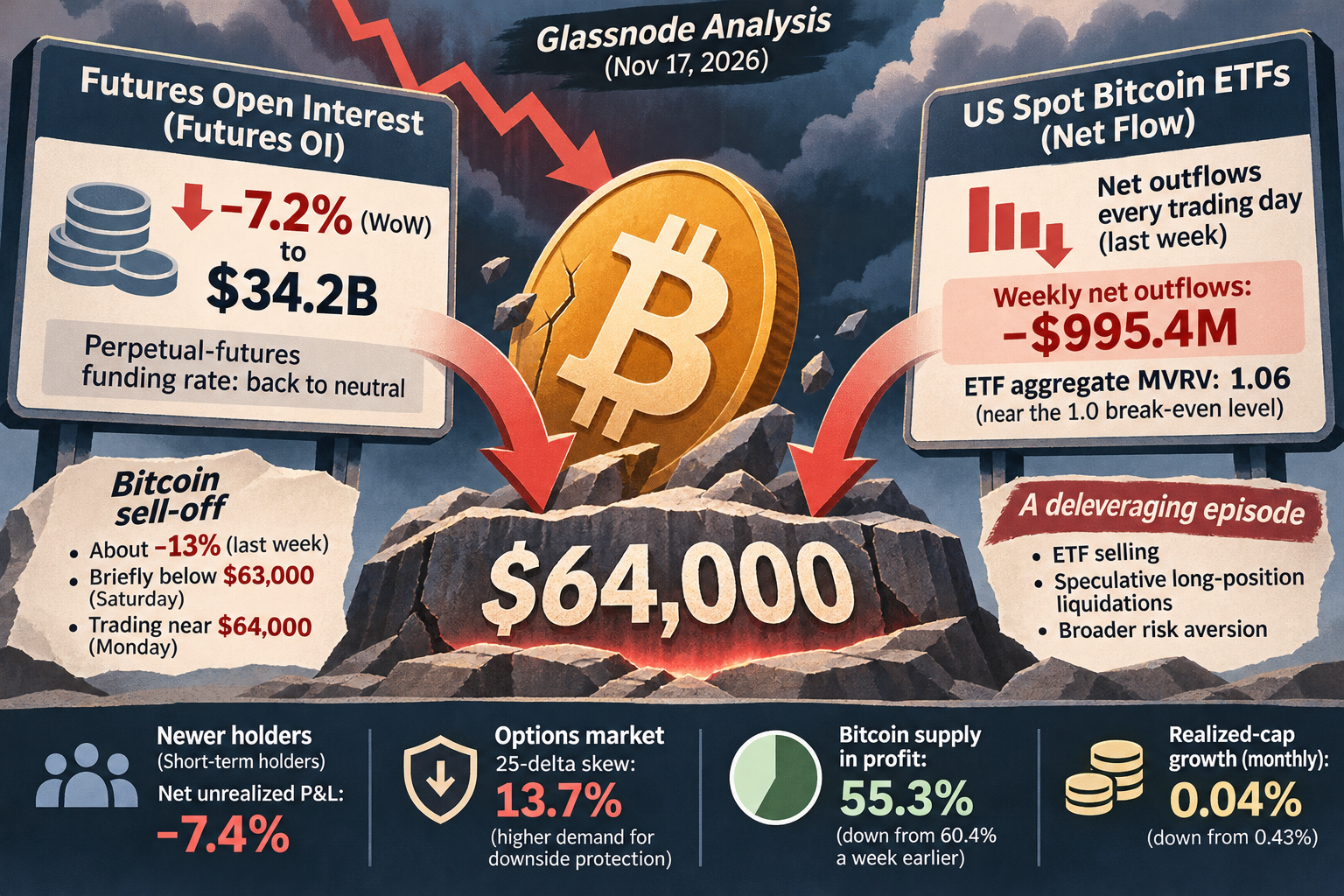
Glassnode characterized the decline as a deleveraging episode involving ETF selling, speculative long-position liquidations and broader risk aversion. That is its assessment of the drivers, not a settled explanation for every trade. Reduced derivatives exposure may remove one source of pressure, but the reported ETF outflows and newer holders’ losses leave the proposed $64,000 floor unconfirmed.